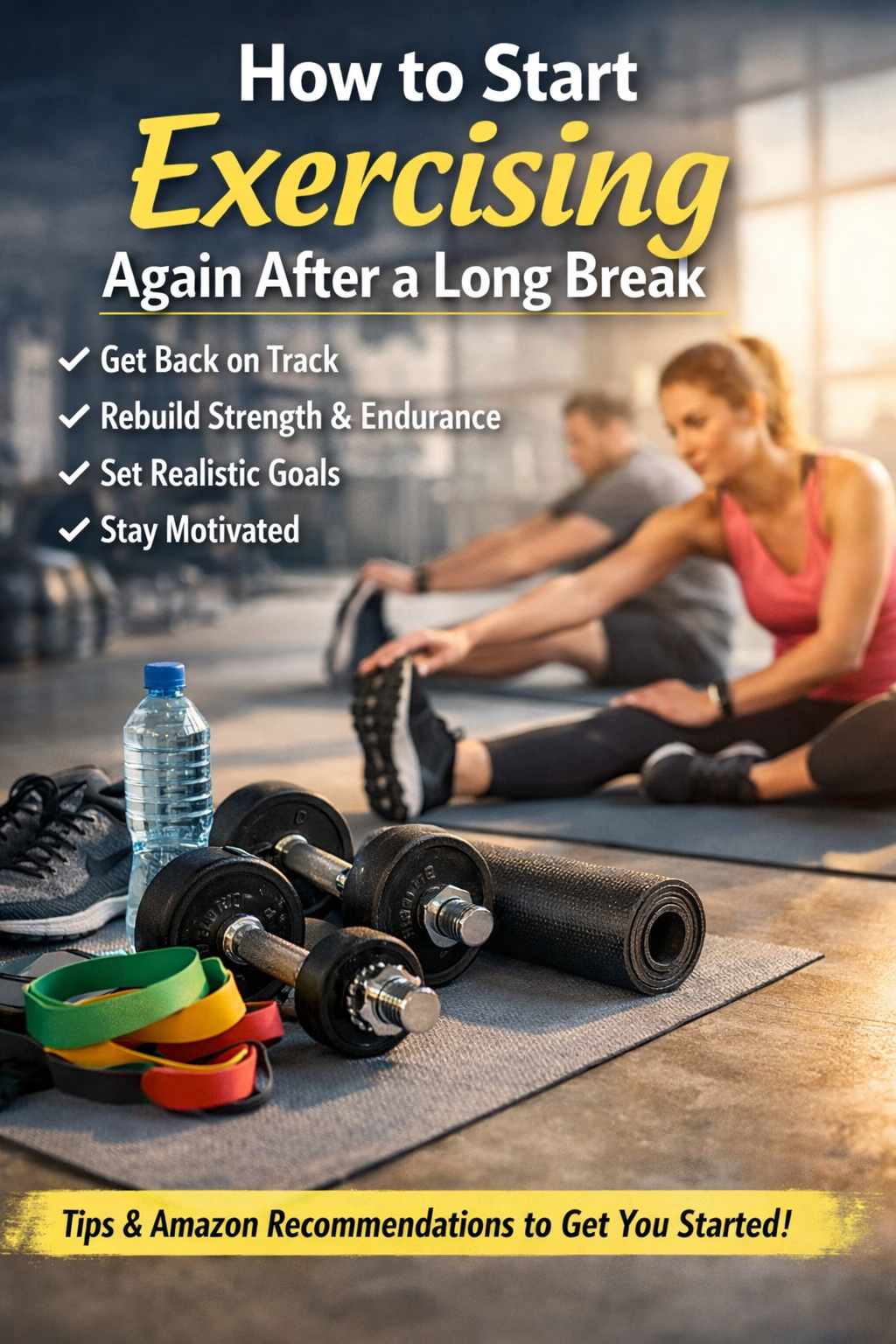
How to Start Exercising Again After a Long Break
Taking a long break from exercise is more common than you think — and starting again doesn’t have to feel overwhelming. At GlowFit, we believe fitness should support your lifestyle, not stress it. In this guide, you’ll learn how to start exercising again after a long break using simple, realistic steps that help you rebuild strength, confidence, and consistency.
Understanding the Impact of a Fitness Break
Before diving back into exercise, it’s important to understand what happens to your body after a long hiatus. Muscle mass, endurance, and flexibility naturally decline when you stop being active. This process, known as detraining, affects strength, stamina, and overall fitness levels. The longer the break, the more your body adjusts to inactivity.
However, the body is incredibly adaptable. Studies show that muscles have “memory,” meaning they can regain strength faster than when starting from scratch. Knowing this is crucial when figuring out how to start exercising again, as it emphasizes the importance of gradual progression.
Common effects of a fitness break include:
- Reduced cardiovascular endurance
- Decreased muscle strength and tone
- Increased fatigue during physical activity
- Reduced flexibility and joint mobility
Understanding these changes allows you to set realistic expectations and create a plan that prioritizes safety and progress.
Mindset Shift: Accept Where You Are
One of the biggest barriers to restarting exercise is mindset. Many people feel guilty about their break or compare themselves to others who are more fit. The truth is that your comeback journey is unique, and your goal should focus on how to start exercising again in a sustainable way.
Tips for a positive mindset:
- Focus on small, achievable goals rather than immediate perfection
- Celebrate progress over perfection, even if it’s just completing a short walk
- Avoid comparing yourself to others; your body, your pace
- Track achievements in a fitness journal or app
This mindset ensures you stay motivated and avoid discouragement during the early stages.
Setting Realistic Goals for Your Fitness Return
When planning how to start exercising again, setting realistic goals is critical. Overambitious plans can lead to burnout, injury, or frustration. Start with achievable targets that build confidence and consistency.
- Walk for 15–30 minutes three times a week
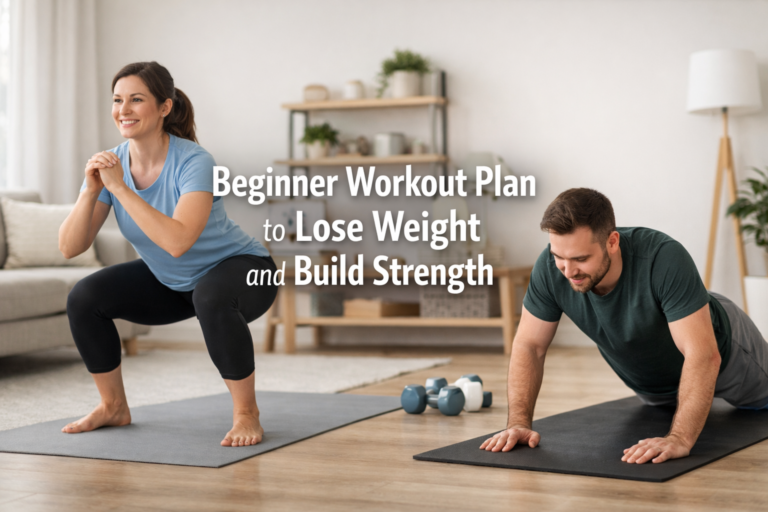
- Perform bodyweight exercises like squats and push-ups twice a week
- Stretch or do yoga 2–3 times weekly for mobility
Gradually increasing intensity over time ensures safe progression and long-term success.
How to Start Exercising Again: Choosing the Right Workouts
Selecting the right exercises is essential for regaining fitness without injury. Prioritize movements that rebuild strength, improve endurance, and enhance flexibility.
Cardiovascular Exercises

Cardio is vital for rebuilding stamina. Start with low-impact options such as:
- Walking or light jogging
- Cycling on a stationary or outdoor bike
- Swimming or water-based exercises
- Elliptical training
Begin with 15–20 minutes per session, gradually increasing time and intensity.
Strength Training

Muscle strength diminishes with inactivity, making strength training key when learning how to start exercising again. Options include:
- Bodyweight exercises: squats, lunges, push-ups, glute bridges
- Resistance bands: ideal for beginners to gently build strength
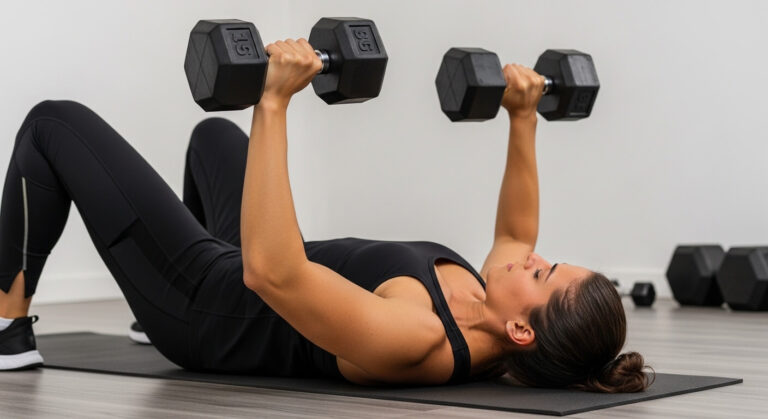
- Light dumbbells: start with low weight and gradually increase
Strength training 2–3 times per week helps rebuild muscle, improve metabolism, and enhance functional fitness.
Flexibility and Mobility Exercises
Maintaining flexibility reduces injury risk and improves overall movement. Include:
- Dynamic stretches before workouts
- Static stretches after workouts
- Yoga or Pilates sessions once or twice a week
Mobility exercises also improve posture, joint health, and movement efficiency.
Warm-Up and Cool-Down: Essential Steps
Skipping warm-ups and cool-downs is a common mistake when restarting exercise. Proper preparation and recovery are key components of how to start exercising again safely.
Warm-up tips:
- 5–10 minutes of light cardio
- Dynamic stretching to prepare muscles and joints
Cool-down tips:
- 5–10 minutes of slow walking or gentle cycling
- Static stretches to improve flexibility and reduce soreness
These simple steps significantly lower the risk of injury and enhance workout effectiveness.
Creating a Weekly Workout Plan
Consistency is more important than intensity in the beginning. A sample weekly schedule for someone restarting exercise might look like this:
| Day | Activity |
|---|---|
| Monday | 20 min walk + light stretching |
| Tuesday | Bodyweight strength training (squats, push-ups, lunges) |
| Wednesday | Rest or gentle yoga |
| Thursday | 20–30 min cycling or swimming |
| Friday | Strength training with resistance bands or dumbbells |
| Saturday | Light cardio or fun activity (hiking, dancing) |
| Sunday | Rest |
Adjust intensity and duration as your fitness improves, and remember that rest days are just as important as workouts.
Nutrition Tips to Support Your Fitness Comeback
Proper nutrition is essential when learning how to start exercising again. Your body needs fuel to rebuild muscles and support cardiovascular health.
Key nutrition guidelines:
- Eat protein-rich foods to aid muscle recovery (chicken, fish, legumes)
- Include complex carbohydrates for sustained energy (whole grains, fruits)
- Stay hydrated, especially during workouts
- Consume healthy fats for joint and brain health (nuts, seeds, olive oil)
- Add vitamins and minerals through fruits and vegetables
Balanced nutrition speeds recovery, reduces fatigue, and improves overall performance.
Avoiding Common Mistakes
Many people make the same mistakes when figuring out how to start exercising again:
- Doing too much too soon: Leads to injury or burnout
- Ignoring pain: Sharp or persistent pain indicates a problem
- Skipping rest days: Recovery is when muscles grow stronger
- Comparing yourself to others: Focus on your own progress
- Neglecting nutrition: Poor fuel slows recovery and energy
Being mindful of these mistakes ensures a safer and more sustainable return to fitness.
Using Technology and Fitness Apps for Motivation
Fitness technology can be an excellent tool when restarting exercise. Some options include:
- Fitness trackers: Monitor steps, heart rate, and calories burned
- Workout apps: Offer structured routines and guidance
- Online communities: Provide motivation, support, and accountability
These tools help maintain consistency, track progress, and make the process of how to start exercising again more structured and enjoyable
Amazon Recommendations for Restarting Fitness
The right equipment can simplify your return to exercise. Consider these beginner-friendly Amazon products:
No layout selected.- Resistance Bands Set: Perfect for gentle strength training
- Yoga Mat: Comfortable surface for stretching and floor exercises
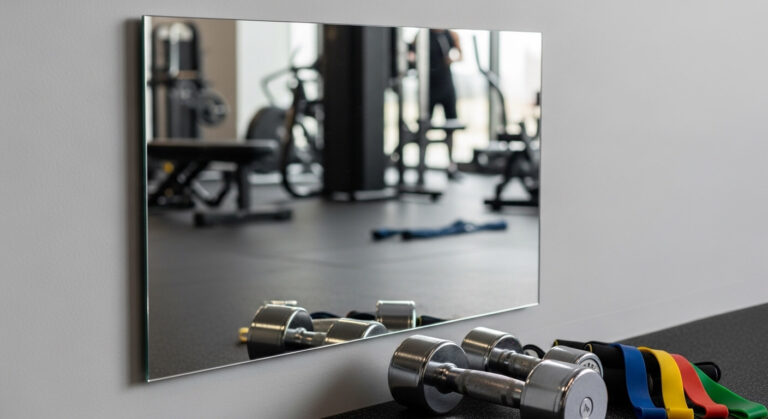
- Adjustable Dumbbells: Ideal for progressive strength training
- Foam Roller: Enhances recovery and reduces muscle soreness
- Fitness Tracker: Helps track progress and maintain motivation
Using these tools can make the comeback process smoother, safer, and more engaging.
Staying Consistent and Motivated
Consistency is the key to long-term fitness success. Tips to stay motivated include:
- Schedule workouts like appointments
- Choose activities you enjoy
- Track small victories to boost confidence
- Join classes or online groups for accountability
Integrating these habits ensures that exercise becomes a regular part of your lifestyle rather than a temporary effort.
Progressive Tips for Long-Term Success
Once your body adapts, it’s time to gradually increase intensity and complexity:
- Increase cardio duration and intensity
- Add weight or resistance in strength exercises
- Try new activities like hiking, dance, or team sports
- Continue monitoring nutrition and recovery
This progressive approach ensures sustainable improvements while minimizing injury risk.
Conclusion
Learning how to start exercising again after a long break requires planning, patience, and self-compassion. By understanding the effects of inactivity, adopting the right mindset, choosing suitable exercises, and maintaining consistent nutrition and recovery, anyone can safely regain fitness. Incorporating helpful Amazon equipment and tracking tools further supports a successful comeback. Remember, progress is more important than perfection. Each step you take toward consistency strengthens your body, mind, and confidence.
Start small, stay consistent, and your body will thank you.
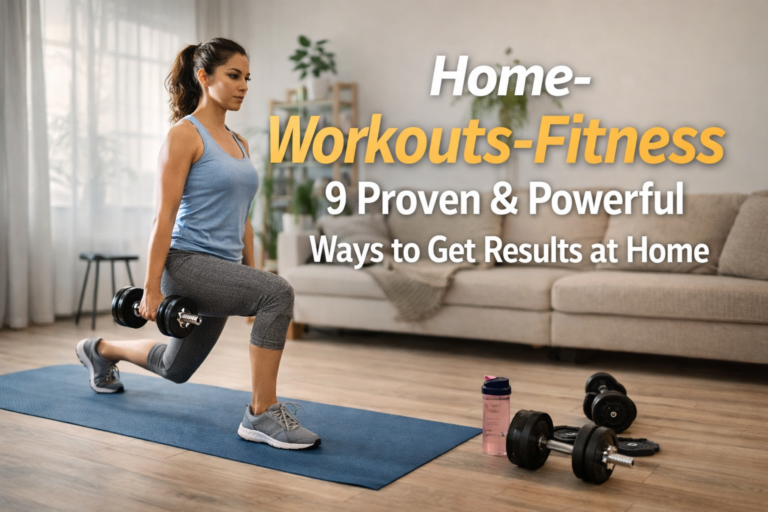
You may also like Beginner’s Guide to Getting Fit at Home.
Read our tips on How to Stay Consistent With Workouts.
One Comment