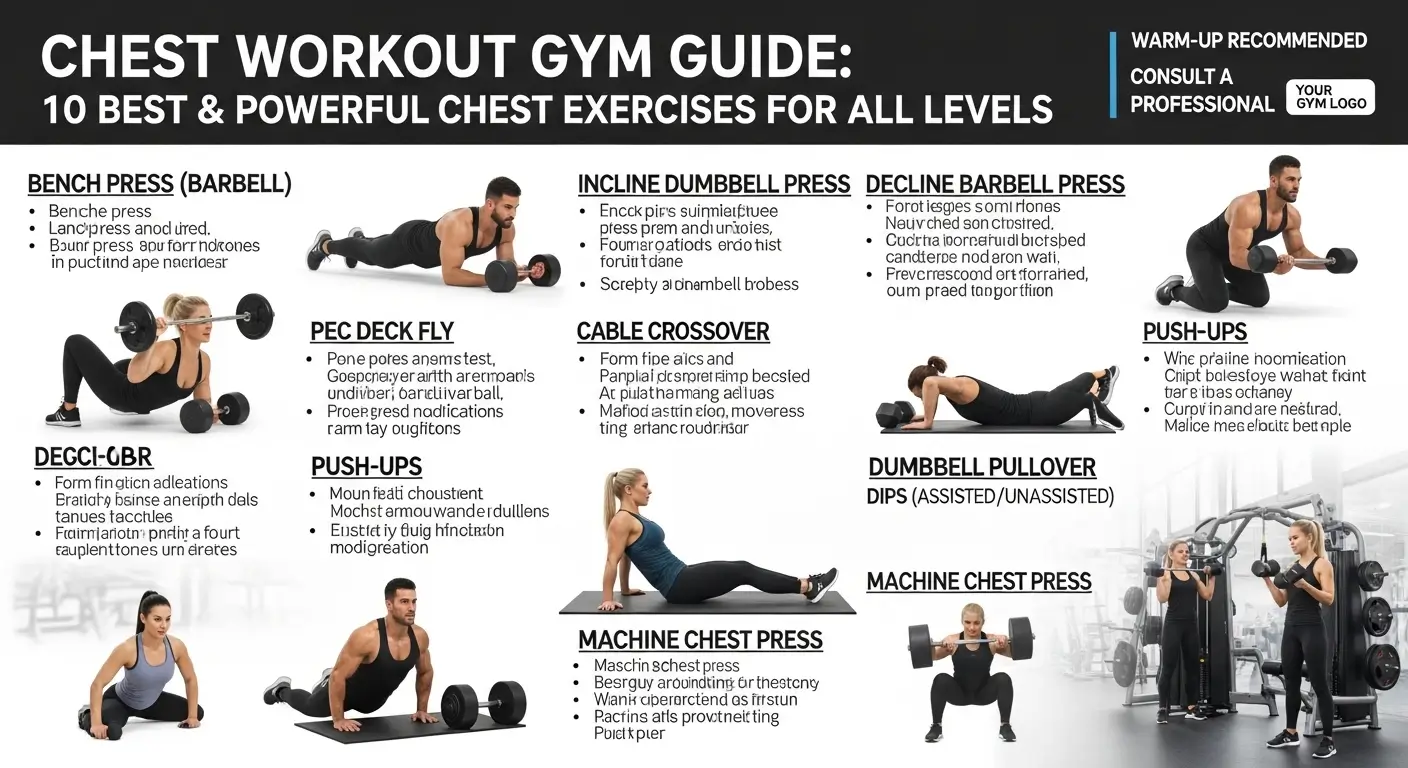
Chest Workout Gym Guide: 10 Best & Powerful Chest Exercises for All Levels

Have you ever walked into the gym, looked at the chest section, and thought — “Is any of this actually for me?” You’re not alone. Most chest workout gym guides are written for bodybuilders chasing a massive bench press, not for women, beginners, or busy people who just want a strong, toned upper body.
Here’s the truth: a great chest workout gym routine doesn’t have to be complicated or intimidating. Whether you’re stepping into a gym for the first time or you’ve been training for years, the right chest exercises can help you build real strength, improve posture, and feel more confident in everything you do — from lifting groceries to rocking a sleeveless top.
In this guide, you’ll find 10 of the most effective good chest workouts at the gym, practical tips for beginners, product recommendations to level up your training, and a full workout plan you can start this week.
Let’s get into it.
Why Women Should Train Their Chest
Before diving into the exercises, let’s address the elephant in the room: “Will chest training make me bulky?”
Absolutely not — and here’s why. Women have significantly lower testosterone levels than men, which means building large, bulky chest muscles is biologically very difficult. What chest gym workouts will do for you is:
- Improve your posture by strengthening the muscles that support your shoulders
- Increase upper body strength for everyday tasks
- Create a lifted, toned appearance
- Boost your metabolism by adding lean muscle mass
- Reduce the risk of shoulder and neck pain
If you’ve been skipping chest day, it’s time to reconsider. Your upper body deserves just as much attention as your glutes or legs.
Understanding Chest Anatomy: What You’re Actually Training
To get the most from your chest exercises gym sessions, it helps to understand what muscles you’re targeting.
The Major Muscles of the Chest
| Muscle | Location | Function |
|---|---|---|
| Pectoralis Major | Large chest muscle | Pushing, pressing, reaching |
| Pectoralis Minor | Underneath pec major | Shoulder blade stabilization |
| Serratus Anterior | Along the ribcage | Arm reaching and rotation |
When you perform chest exercises, you’re primarily working the pectoralis major — but many movements also engage your shoulders, triceps, and core. That’s why chest training is such an efficient use of your gym time.
How to Warm Up Before Your Chest Workout Gym Session
Never skip your warm-up. Cold muscles are injury-prone muscles. Here’s a quick 5-minute routine before any chest gym workout:
- Arm circles — 30 seconds forward, 30 seconds backward
- Shoulder rolls — 10 reps forward and back
- Chest openers — clasp hands behind your back, open the chest, hold 10 seconds x 3
- Light dumbbell press — 1 set of 15 reps with minimal weight
- Band pull-aparts — 2 sets of 15 (great for shoulder health)
A proper warm-up increases blood flow to the working muscles and primes your nervous system for heavier lifting.
10 Best Chest Workout Gym Exercises for All Levels
Here are the 10 most effective chest exercises you can do at the gym, organized from foundational to more advanced. Each one is beginner-friendly with progression tips built in.
1. Flat Dumbbell Bench Press
The king of chest exercises for a reason.
How to do it:
- Lie flat on a bench, dumbbells in each hand at chest level
- Press the weights up until your arms are fully extended
- Slowly lower back to the starting position
- Keep your feet flat on the floor and back slightly arched
Sets & Reps: 3 sets of 10–12 reps Why it works: The flat dumbbell press hits the entire pectoralis major and allows a greater range of motion than a barbell, making it safer for beginners.
💡 Beginner tip: Start with lighter dumbbells (5–10 lbs) and focus on feeling the chest contract rather than lifting heavy.
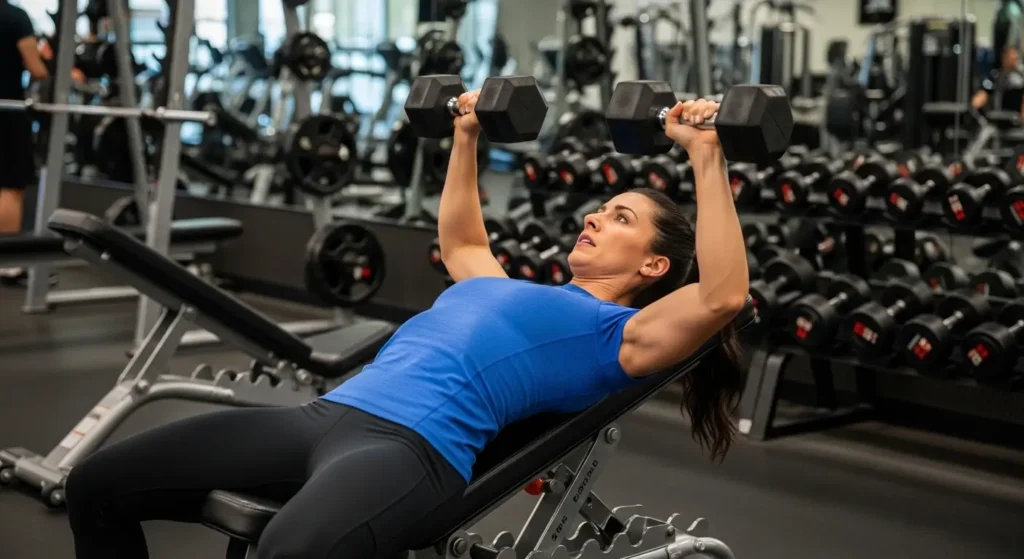
2. Incline Dumbbell Press
Perfect for the upper chest — the part that gives that “lifted” look.
How to do it:
- Set a bench to a 30–45 degree incline
- Press dumbbells up from upper chest level
- Lower slowly under control
Sets & Reps: 3 sets of 10–12 reps Why it works: The incline angle shifts emphasis to the upper portion of the pec major, a spot many women want to develop for posture and aesthetics.
3. Chest Fly (Dumbbell)
Stretch and squeeze your way to a fuller chest.
How to do it:
- Lie flat on a bench, arms extended above chest with a slight bend in the elbows
- Open your arms wide in an arc, lowering until you feel a stretch
- Bring the dumbbells back together at the top
Sets & Reps: 3 sets of 12–15 reps Why it works: Unlike pressing movements, flies isolate the chest through a wide stretch — excellent for muscle development and flexibility.
4. Cable Chest Fly (Low to High)
One of the best chest exercises gym equipment can offer.
How to do it:
- Set cable pulleys to the lowest position
- Stand in the center, grab handles, and bring them up and together in a wide arc
- Squeeze at the top
Sets & Reps: 3 sets of 12–15 reps Why it works: Cables maintain constant tension throughout the movement — something dumbbells can’t do. This makes them incredibly effective for muscle building.
5. Push-Up Variations
You can’t go wrong with the classic — especially with these tweaks.
Variations to try:
- Standard push-up — full body tension, great chest activation
- Wide-grip push-up — more chest, less triceps
- Elevated push-up (hands on bench) — easier, perfect for beginners
- Decline push-up (feet on bench) — targets upper chest
Sets & Reps: 3 sets of 8–15 reps depending on variation Why it works: Push-ups require zero equipment and work the chest, shoulders, triceps, and core simultaneously.
6. Machine Chest Press
Ideal for beginners who want guided movement.
How to do it:
- Adjust the seat so the handles are at chest level
- Press handles forward until arms are extended
- Control the return
Sets & Reps: 3 sets of 10–12 reps Why it works: The machine provides a fixed path of motion, making it safer and easier to learn proper form — a great starting point for your chest workout gym journey.
7. Pec Deck (Chest Fly Machine)
The secret weapon for chest isolation.
How to do it:
- Sit with your back flat against the pad
- Place forearms on the pads and bring them together in front of your chest
- Hold for 1 second at the peak contraction
Sets & Reps: 3 sets of 12–15 reps Why it works: The pec deck isolates the chest beautifully without stressing the shoulders — perfect for beginners or anyone returning from injury.
8. Decline Dumbbell Press
Don’t neglect the lower chest!
How to do it:
- Set a bench to a slight decline (15–30 degrees)
- Press dumbbells from lower chest level
- Control the lowering phase
Sets & Reps: 3 sets of 10–12 reps Why it works: Most beginners focus only on flat and incline pressing. Adding a decline variation ensures full chest development.
9. Single-Arm Cable Press
A functional movement that fires up your stabilizers.
How to do it:
- Set a cable pulley to chest height
- Stand sideways to the machine
- Press one handle forward across your body
- Return slowly, keeping core tight
Sets & Reps: 3 sets of 10–12 reps each side Why it works: The unilateral nature corrects muscle imbalances and engages your core heavily — bonus abs workout included.
10. Dumbbell Pullover
An underrated classic for the chest and lats.
How to do it:
- Lie perpendicular across a flat bench, upper back supported
- Hold one dumbbell with both hands above your chest
- Lower it behind your head in a wide arc
- Pull back up to starting position
Sets & Reps: 3 sets of 12 reps Why it works: The pullover stretches and works the chest through a unique plane of motion, and also engages the serratus anterior — the muscle that gives that athletic, defined look along the ribcage.
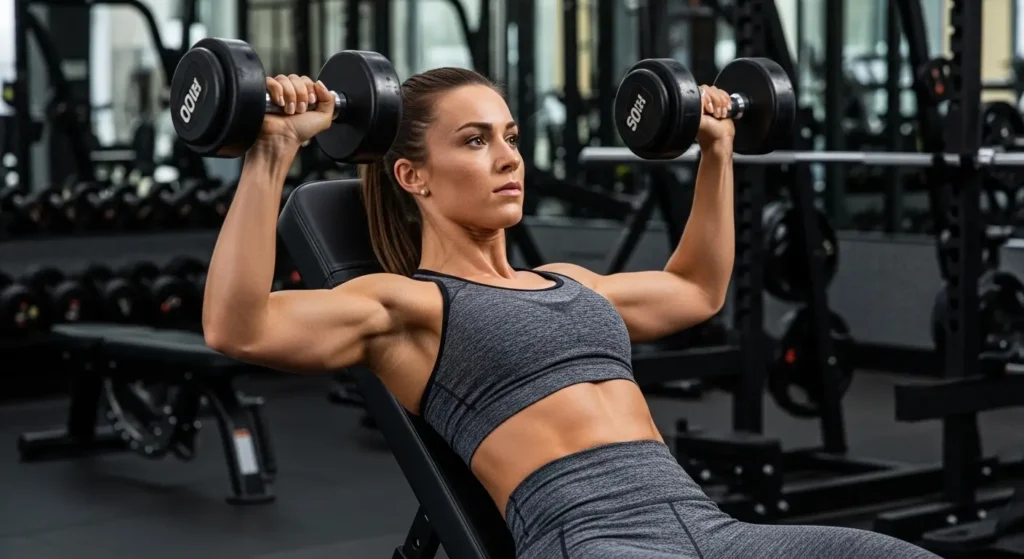
Sample Chest Gym Workout Plan for Beginners
Here’s how to structure a complete chest gym workout in under 45 minutes:
| Exercise | Sets | Reps | Rest |
|---|---|---|---|
| Machine Chest Press | 3 | 12 | 60 sec |
| Incline Dumbbell Press | 3 | 10 | 60 sec |
| Flat Dumbbell Fly | 3 | 12 | 60 sec |
| Pec Deck | 3 | 15 | 45 sec |
| Push-Up Finisher | 2 | Max | 45 sec |
Training frequency: 1–2 times per week for beginners. Give your chest 48–72 hours of rest between sessions.
Good Chest Workouts at the Gym: Programming Tips
Getting results isn’t just about showing up — it’s about training smart. Here’s what to keep in mind:
- Progressive overload: Gradually increase your weight, reps, or sets over time. Your muscles need new challenges to grow.
- Mind-muscle connection: Don’t just move the weight. Feel your chest working. This dramatically increases muscle activation.
- Full range of motion: Lower the weights all the way for maximum stretch and contraction.
- Rest days matter: Muscles grow during recovery, not during the workout itself.
- Track your workouts: Write down what you lift so you know when to progress.
For more inspiration on building a consistent routine, check out How to Stay Consistent With Workouts: 10 Strategies for Lasting Results — it’s packed with practical advice for busy people.
Common Mistakes to Avoid in Your Chest Workout Gym
Even well-intentioned gym-goers make these mistakes. Watch out for:
- Flaring the elbows out too wide during pressing — this strains the shoulder joint
- Bouncing the weight off your chest — lose the momentum, gain the muscle
- Rushing through reps — slow down the lowering phase for better results
- Neglecting warm-up and cooldown — a recipe for injury
- Training chest every day — more is not always better; recovery is essential
- Using too much weight too soon — ego lifting leads to poor form and injuries
Nutrition Tips to Support Your Chest Exercises
You can’t out-train a poor diet. To support your chest exercises and overall fitness:
- Eat enough protein: Aim for 0.7–1g of protein per pound of bodyweight. Think chicken, fish, eggs, Greek yogurt, legumes.
- Don’t fear carbs: Carbohydrates fuel your workouts. Oats, sweet potatoes, and fruit are your friends.
- Stay hydrated: Even mild dehydration reduces strength and performance.
- Eat around your workouts: A small meal 1–2 hours before training and protein within 30–60 minutes after.
According to Healthline’s guide on muscle-building nutrition, protein synthesis — the process that builds muscle — is heavily influenced by both training stimulus and dietary protein intake.
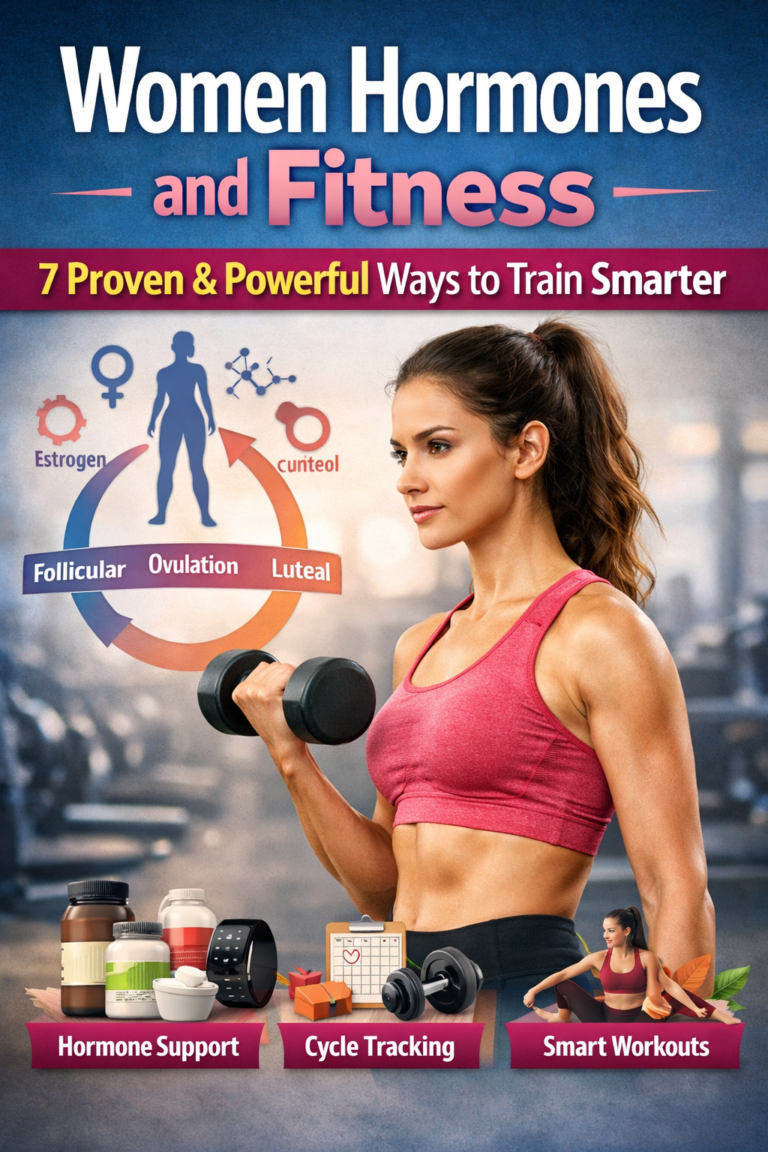
For a broader look at how to fuel your body based on your hormones and cycle, read Women Hormones and Fitness: How to Train Smarter for Better Results.
Product Recommendations for Your Chest Workout Gym
The right equipment makes a real difference. Here are five products worth considering for your chest workout gym sessions:
1. Adjustable Dumbbells
Description: A set of adjustable dumbbells eliminates the need for an entire rack of weights. With a quick dial or pin adjustment, you can switch from 5 lbs to 50 lbs in seconds.
Key Benefits:
- Space-saving and cost-effective
- Perfect for home gym + gym combo training
- Ideal for progressive overload
Best for: Beginners who train at home AND the gym, or anyone short on storage space.
👉 Read our in-depth Best Adjustable Dumbbells Review 2026: The Ultimate Home Gym Upgrade
2. Adjustable Weight Bench
Description: Without a good bench, half of these chest exercises aren’t accessible. An adjustable bench lets you go flat, incline, and decline — unlocking your full workout potential.
Key Benefits:
- Supports flat, incline, and decline pressing
- Foldable options available for small spaces
- Sturdy enough for heavy loads
Best for: Anyone serious about building a complete chest routine at home or looking to supplement gym training.
👉 Check out The Perfect Adjustable Weight Bench Review 2026
3. Resistance Bands
Description: Resistance bands are underrated tools for chest training. Use them for warm-ups, chest flies, or to add accommodating resistance to push-ups.
Key Benefits:
- Joint-friendly tension
- Portable and affordable
- Great for warm-ups and finishers
Best for: Beginners, travelers, or anyone dealing with minor shoulder discomfort.
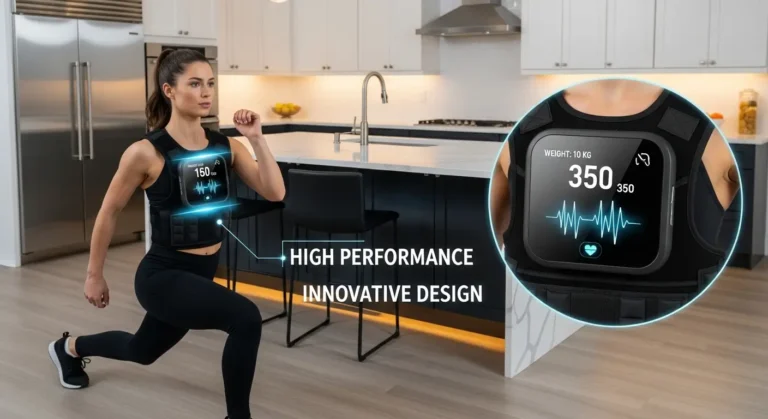
4. Weighted Vest
Description: Want to make push-ups harder without lifting weights? Strap on a weighted vest. It adds resistance to bodyweight chest exercises naturally.
Key Benefits:
- Intensifies push-up variations
- Improves bone density and calorie burn
- Hands-free loading
Best for: Intermediate to advanced exercisers ready to progress beyond standard push-ups.
👉 Read our Best Weighted Vest for Women Review 2026: Is the Renoj Vest Worth It?
5. Lifting Gloves or Grips
Description: Protect your hands and improve your grip during dumbbell and cable exercises. Especially useful during high-rep chest fly sets.
Key Benefits:
- Prevents calluses
- Improves grip security
- Boosts confidence during heavier lifts
Best for: Anyone who trains frequently and wants comfort and performance in one.
Chest Workout Gym for Beginners: A Realistic Timeline
How long before you see results? This is one of the most common questions — and the honest answer is: it depends.
Here’s a realistic breakdown:
- Weeks 1–4: You’ll notice improved strength and body awareness. Your muscles are learning the movements.
- Weeks 4–8: Visible muscle tone starts to emerge, especially if nutrition is on point.
- Weeks 8–12: Noticeable strength gains, improved posture, and visible definition.
- 3–6 months: Significant transformation in upper body strength and appearance.
Consistency beats intensity every time. Showing up 2x per week beats one brutal session that burns you out. For more on building long-term habits, see Fitness Motivation: Proven Tips to Stay Consistent Long Term.
According to the American Council on Exercise, beginners can expect strength improvements within 4–8 weeks of consistent resistance training, often before visible muscle changes are apparent.
Chest Exercises for Women: Myths Debunked
Let’s bust some final myths before we wrap up:
- ❌ “Chest training will make my breasts smaller.” — Chest exercises build the pectoral muscles underneath the breast tissue. The result is often a lifted, more supported appearance.
- ❌ “Heavy weights are dangerous for women.” — Women benefit from progressive loading just as men do. Start light, focus on form, and increase over time.
- ❌ “I need a trainer to do chest exercises.” — This guide is proof otherwise. Start with machine-based movements if you’re unsure.
- ❌ “Push-ups are enough.” — Push-ups are great, but adding variety maximizes your results and prevents plateaus.
Conclusion
A well-designed chest workout gym routine isn’t just for bodybuilders — it’s for every woman who wants to feel stronger, stand taller, and move better in her everyday life. From the flat dumbbell press to the pec deck, the 10 chest exercises in this guide give you everything you need to build a strong, toned upper body at any fitness level.
Start with 2 sessions per week, focus on feeling the muscle work, and be patient with the process. Results will come — and when they do, you’ll wonder why you ever skipped chest day.
Ready to take your training further? Check out Home Workouts for Busy Women: 20-Minute Full-Body Routines That Work for fast, effective routines you can do anywhere.
Frequently Asked Questions
Q1: How often should I do a chest workout gym session as a beginner? Start with 1–2 chest-focused sessions per week. Your muscles need 48–72 hours to recover between sessions, so spacing them out — say, Monday and Thursday — is ideal for beginners.
Q2: Can I do chest exercises at the gym without a spotter? Yes! Dumbbell exercises, cable machines, and the pec deck are all safe to do without a spotter. Only barbell bench pressing truly benefits from having someone nearby, and even then, dumbbells are a safer alternative.
Q3: What’s the best chest exercise for women who want a toned look? The incline dumbbell press and cable chest fly are excellent for developing the upper chest, which creates a naturally lifted appearance. Combine them with push-up variations for best results.
Q4: Will chest exercises help with sagging or improve breast appearance? Chest exercises won’t change the breast tissue itself, but they will strengthen and develop the pectoral muscles underneath — which can create a lifted, more supported look over time. Think of it as a natural lift from the inside.
Q5: How do I know if I’m using the right weight for my chest exercises gym session? You should be able to complete all reps with good form, but the last 2–3 reps should feel challenging. If you finish a set and feel like you could do 10 more easily, it’s time to increase the weight. If your form breaks down halfway through, drop down a size.
One Comment