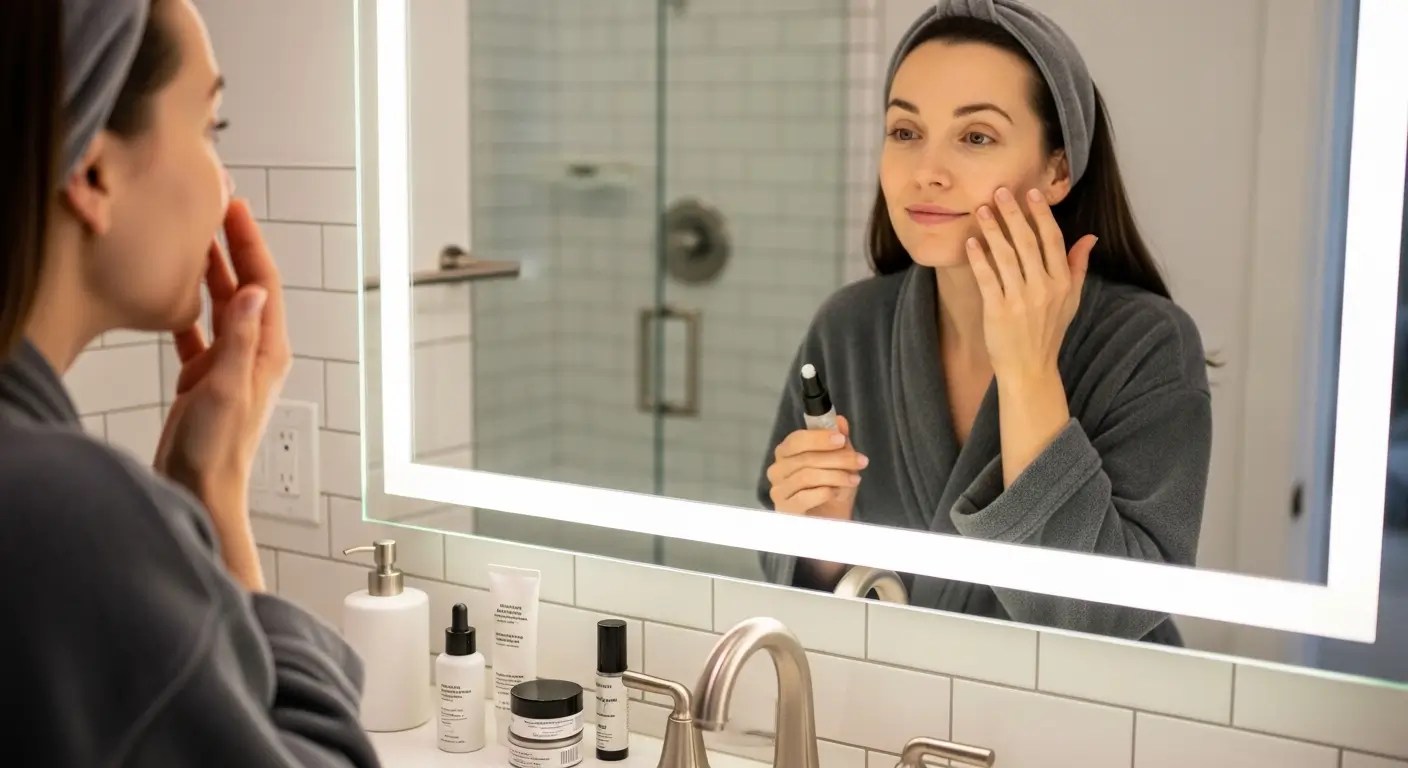
Best Nightly Skin Care Routine: 7 Easy & Powerful Steps

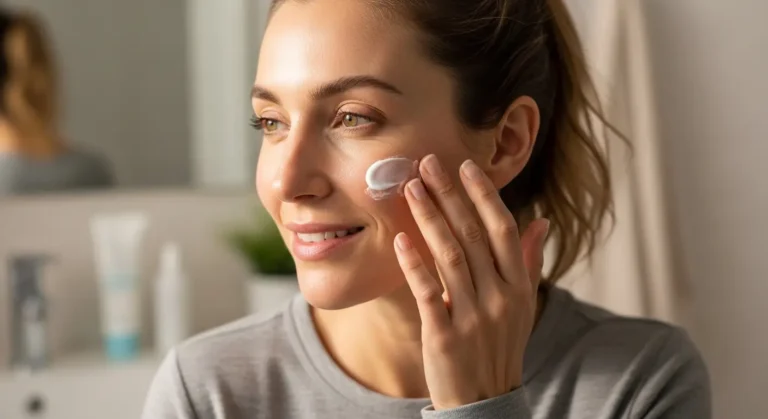
Cruelty free cosmetics have completely changed the way we think about beauty — and nowhere is that shift more powerful than in a well-crafted nightly skin care routine. Whether you’re a complete beginner, a busy working woman who barely has ten minutes to herself, or a fitness enthusiast who wants to recover her skin after a long active day, a solid evening face routine can be a total game changer.
Think of your skin like a smartphone. You charge it overnight so it’s ready for the next day, right? Your night skin care routine works the exact same way. While you sleep, your skin goes into repair mode — regenerating cells, producing collagen, and healing damage. Give it the right tools, and it rewards you with a radiant, healthy glow every single morning.
So, are you ready to stop winging it and start waking up to better skin? Let’s build your perfect nightly skin care routine — step by step.
Table of Contents
Why a Nightly Skin Care Routine Actually Matters
You might be thinking, “Is it really that big of a deal if I skip my skincare at night?” Honestly? Yes. Here’s why.
During the day, your skin fights pollution, UV rays, sweat, and makeup. By evening, it’s exhausted and ready to heal. But it can only heal properly if you remove all that buildup and give it the nutrients it needs.
A consistent skincare night routine:
- Removes dirt, oil, and pollutants that cause breakouts
- Allows active ingredients (like retinol and vitamin C) to work without sun interference
- Keeps your skin barrier strong and moisturized
- Slows visible signs of aging over time
The difference between women who start a nightly facial routine in their 20s and 30s versus those who don’t is genuinely visible by their 40s. That’s not a scare tactic — that’s just skin biology.
The 7-Step Nightly Skin Care Routine (That Actually Works)
Step 1: Start with a Makeup Remover or Cleansing Oil
Before anything else, you need to break down makeup, sunscreen, and the surface-level grime of your day. A cleansing oil or micellar water is your best friend here.
Even if you don’t wear makeup, sunscreen alone can clog pores if not properly removed. This step is non-negotiable in any solid evening face routine.
Best for: All skin types, especially those who wear SPF or foundation daily.
Step 2: Double Cleanse with a Gentle Face Wash
Yes, double cleansing is a thing — and it’s worth it. After your oil cleanser breaks down the surface gunk, a gentle water-based cleanser sweeps away what’s left.
Look for a cleanser that’s:
- Sulfate-free (won’t strip your natural oils)
- pH-balanced (around 4.5–5.5)
- Fragrance-free if you have sensitive skin
This two-step cleanse is the foundation of any effective nightly skin care routine. Think of it as taking off your shoes before entering your home — you’re just keeping things clean.
Step 3: Use a Toner or Essence
Toners get a bad rep thanks to the harsh alcohol-heavy formulas of the past. But today’s toners are hydrating, balancing, and prep your skin to absorb everything that comes next.
Look for toners with:
- Hyaluronic acid (for hydration)
- Niacinamide (to minimize pores and even skin tone)
- Rose water or aloe (to calm and soothe)
Apply with clean hands by gently pressing into the skin — not rubbing with a cotton pad, which wastes product and can cause irritation.
Step 4: Apply Your Treatment Serum
This is where the magic happens. Your night skin care routine serum is your targeted solution — and nighttime is the best time to use the most powerful actives.
Top ingredients to look for based on your skin concern:
| Skin Concern | Recommended Ingredient |
|---|---|
| Anti-aging | Retinol, Peptides |
| Hyperpigmentation | Vitamin C, Kojic Acid |
| Acne | Salicylic Acid, Niacinamide |
| Dryness | Hyaluronic Acid, Ceramides |
| Dullness | AHAs (Glycolic, Lactic Acid) |
Always introduce new actives slowly — start with 2–3 nights per week before increasing frequency.
For a deeper dive into the correct order for these steps, check out this guide: Night Skin Routine: The Correct Skincare Order Before Bed — 7 Easy, Proven Steps
Step 5: Eye Cream
The skin around your eyes is the thinnest on your entire face — and it shows aging first. Eye cream isn’t just a luxury; for anyone over 25, it’s a smart investment in your nightly facial routine.
Apply with your ring finger (it naturally exerts the least pressure) and gently tap — never rub — around the orbital bone.
Look for: Caffeine (for puffiness), peptides (for fine lines), and vitamin K (for dark circles).
Step 6: Moisturizer or Night Cream
Your skin needs to be sealed in with a good moisturizer every single night. Even if you have oily skin, skipping this step can actually make your skin produce more oil to compensate for dehydration.
Choose your moisturizer based on your skin type:
- Dry skin: Rich cream with shea butter or ceramides
- Oily skin: Lightweight gel moisturizer with niacinamide
- Combination skin: Gel-cream hybrid
- Sensitive skin: Fragrance-free with oat extract or aloe vera
For more secrets on keeping your skin healthy and glowing from the inside out, read this article on Healthy Skin From Within: 9 Proven Secrets That Work.
Step 7: Facial Oil or Sleeping Mask (Optional but Powerful)
Want to take your skincare night routine to the next level? Add a facial oil or sleeping mask as your final step 2–3 times per week. These products create an occlusive layer that locks in all your hard work from the previous steps.
Great options:
- Rosehip oil (for brightening and anti-aging)
- Squalane oil (lightweight and non-comedogenic)
- Overnight sleeping masks with hyaluronic acid or ceramides
This last step is like tucking your skin in for the night — cozy, nourishing, and deeply restorative.
The Best Order for Your Evening Face Routine (At a Glance)
Here’s a quick reference so you never get confused again:
- Cleansing oil / makeup remover
- Gentle face wash
- Toner or essence
- Treatment serum
- Eye cream
- Moisturizer or night cream
- Facial oil or sleeping mask (optional)
The general rule? Apply products thinnest to thickest in texture. This ensures each layer absorbs properly without creating a barrier that blocks the next one.
Common Mistakes to Avoid in Your Nightly Skin Care Routine
Even the most well-intentioned nightly skin care routine can backfire if you’re making these common errors:
- Over-exfoliating: Using AHAs, BHAs, and retinol on the same night is a recipe for irritation. Space out your actives.
- Skipping SPF… at night: Okay, this one doesn’t apply at night — but forgetting SPF in the morning undoes everything you do at night.
- Using hot water: Hot water strips your skin’s natural moisture barrier. Stick to lukewarm.
- Not waiting between steps: Give each product 30–60 seconds to absorb before layering the next.
- Using too many new products at once: Introduce one new product at a time so you can identify what’s working — or causing a reaction.
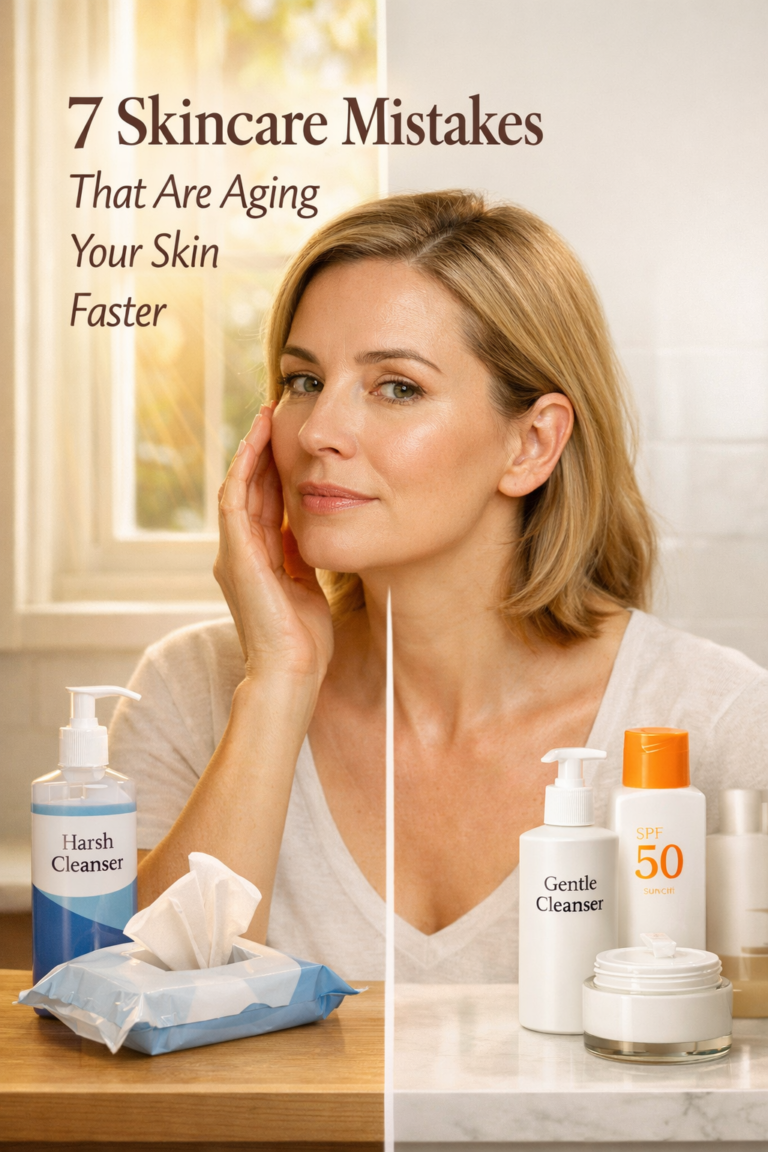
Want to know more about what’s aging your skin prematurely? Don’t miss 7 Common Skincare Mistakes That Make Your Skin Age Faster.
Top 5 Product Recommendations for Your Nightly Skin Care Routine
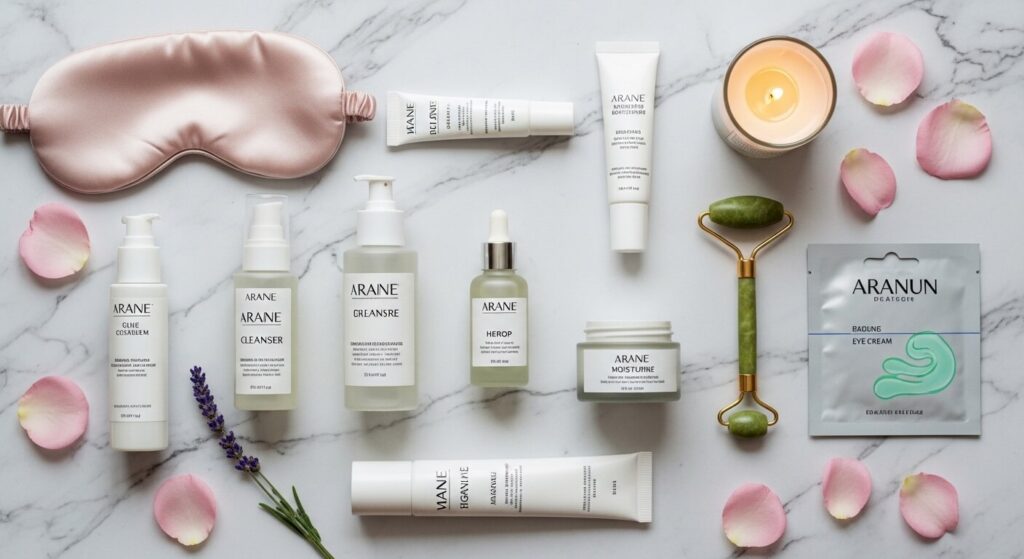
Finding the right products for your night skin care routine doesn’t have to be overwhelming. Here are five editor-tested, dermatologist-approved favorites to build your routine around.
1. CeraVe Hydrating Facial Cleanser
What it does: This gentle, non-foaming cleanser removes dirt and makeup without disrupting your skin barrier. Formulated with three essential ceramides and hyaluronic acid, it cleanses and hydrates simultaneously.
Key Benefits:
- Fragrance-free and non-comedogenic
- Restores the protective skin barrier
- Suitable for dry, normal, and sensitive skin
Best for: Beginners and anyone with dry or sensitive skin who needs a reliable, fuss-free cleanser.
🔗 Learn more about CeraVe on the American Academy of Dermatology website
2. Paula’s Choice 1% Retinol Treatment
What it does: One of the most praised retinol serums on the market, this formula visibly reduces fine lines, uneven texture, and sun damage over time — without the intense irritation of prescription-strength options.
Key Benefits:
- Clinically tested 1% retinol concentration
- Includes peptides and vitamin C for added anti-aging power
- Cruelty-free and fragrance-free
Best for: Women in their 30s and above who want a proven anti-aging addition to their nightly skin care routine.
3. The Ordinary Hyaluronic Acid 2% + B5 Serum
What it does: A budget-friendly powerhouse that delivers deep hydration at multiple skin layers. This lightweight serum is perfect for layering under heavier products.
Key Benefits:
- Multiple molecular weights of hyaluronic acid for multi-depth hydration
- Vitamin B5 enhances moisture absorption
- Affordable and cruelty-free
Best for: All skin types, especially dehydrated or oily skin needing lightweight moisture.
4. Neutrogena Hydro Boost Gel-Cream
What it does: This water-based gel moisturizer delivers an intense burst of hydration that lasts all night without feeling heavy or greasy. Perfect as the final seal in your evening face routine.
Key Benefits:
- Non-comedogenic (won’t clog pores)
- Oil-free formula suitable for oily and combination skin
- Hyaluronic acid locks in moisture continuously
Best for: Oily and combination skin types who struggle to find a moisturizer that hydrates without causing breakouts.
5. First Aid Beauty Ultra Repair Cream
What it does: This rich, whipped cream is a holy grail for dry and sensitive skin. It works overnight to calm irritation, repair the skin barrier, and deliver intense hydration that you’ll feel by morning.
Key Benefits:
- Contains colloidal oatmeal (FDA-approved skin protectant)
- Free from parabens, sulfates, and artificial fragrance
- Cruelty-free certified
Best for: Anyone with sensitive, eczema-prone, or severely dry skin who needs serious overnight repair.
🔗 Explore cruelty-free skincare certifications at Leaping Bunny
Nightly Skin Care Routine for Different Skin Types
Not all skin is the same — so not all routines should be identical. Here’s how to adapt the core nightly skin care routine steps to your specific skin type:
For Dry Skin
Prioritize rich, creamy textures. Add a facial oil as your final step every night. Use a milk or balm cleanser instead of a gel.
For Oily or Acne-Prone Skin
Focus on exfoliating acids (BHAs like salicylic acid) and niacinamide. Skip heavy creams and opt for gel moisturizers. Don’t skip moisturizer — dehydrated oily skin overproduces sebum.
For Sensitive Skin
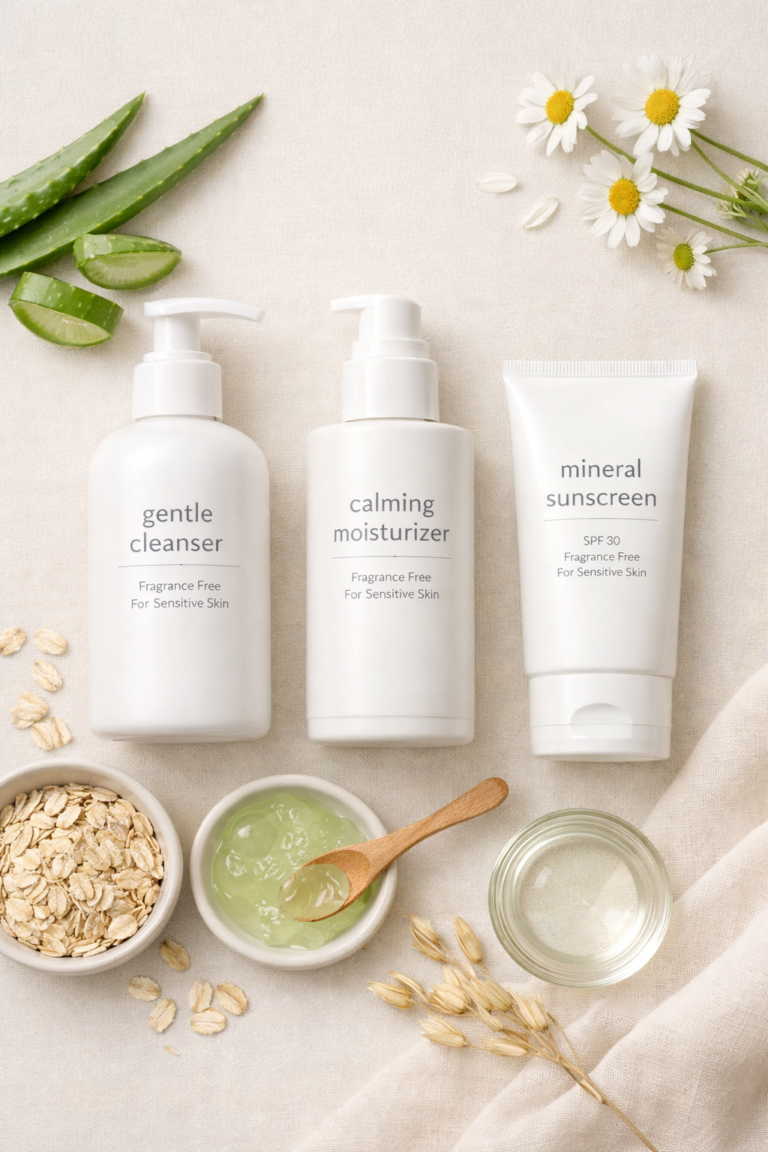
Less is more. Build a minimal nightly facial routine with a gentle cleanser, hydrating toner, and fragrance-free moisturizer. Avoid actives until your barrier is strong. Read Skin Care for Sensitive Skin: What to Use and What to Avoid for a full breakdown.
For Aging Skin
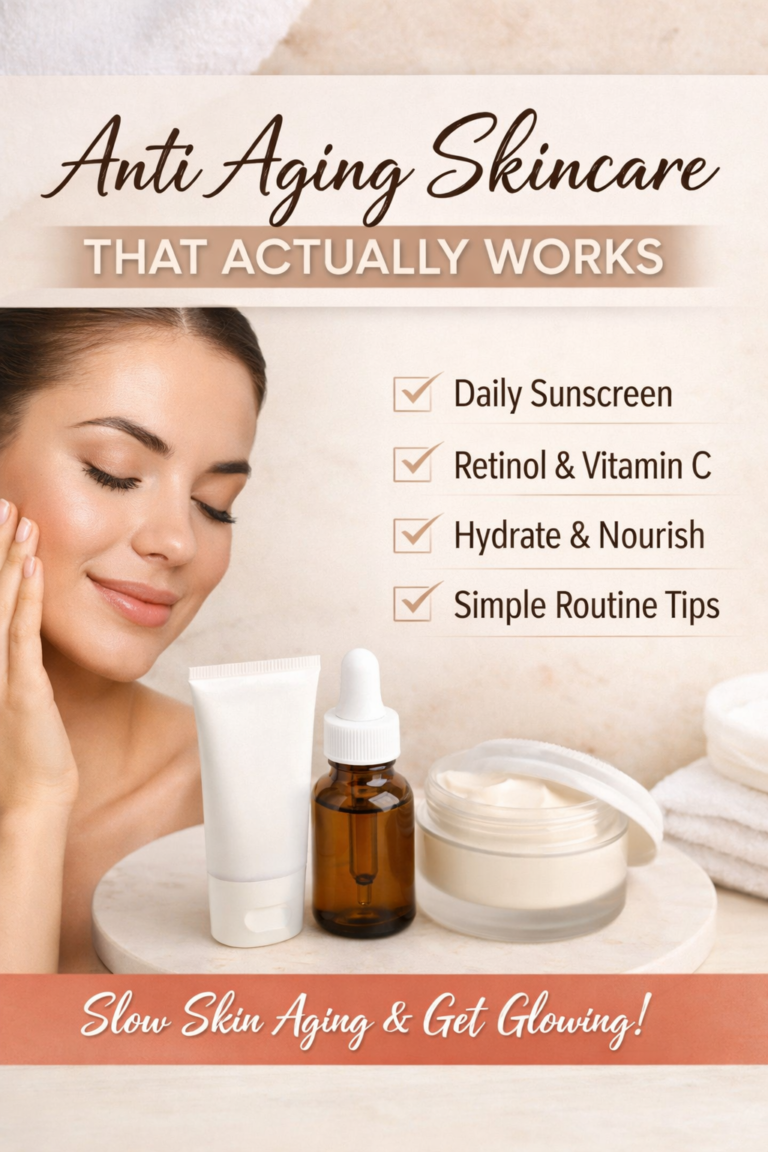
Retinol and peptides are your best friends. Layer them under a rich night cream and consider adding a facial oil to fight moisture loss that accelerates as we age. See also: Anti Aging Skincare That Keeps Your Skin Youthful and Glowing.
How Long Before You See Results from a Nightly Skin Care Routine?
Here’s the honest timeline:
- 1 week: Skin feels cleaner and more hydrated
- 2–4 weeks: Texture starts to improve; dullness decreases
- 6–8 weeks: Breakouts reduce; tone becomes more even
- 3–6 months: Visible reduction in fine lines and hyperpigmentation
Consistency is the secret ingredient. A simple night skin care routine done every single night will outperform a complex one done only occasionally.
🔗 Learn more about skin cell turnover and routines from the American Academy of Dermatology
Conclusion
Building a nightly skin care routine that actually works doesn’t have to be complicated or expensive. Start with the basics — cleanse, treat, moisturize — and build from there as your skin and budget allow.
The most important thing? Show up for your skin every night. Even on the nights you’re exhausted and just want to fall into bed, a quick 3-step routine is infinitely better than nothing at all. Your skin is doing the hard work of repairing itself while you sleep — all it asks is a little help from you first.
Whether you’re just starting out or looking to level up your skincare night routine, you now have everything you need. The only question left is: what step are you starting with tonight?
Frequently Asked Questions (FAQs)
Q1: What is the most important step in a nightly skin care routine?
If you can only do one thing, cleanse. Removing the dirt, makeup, and pollutants from the day prevents clogged pores and allows your skin to breathe and repair overnight. Moisturizer is a close second — never go to bed with a dry, unprotected skin barrier.
Q2: Can I use vitamin C in my night skin care routine?
Yes, absolutely! While vitamin C is often recommended for mornings (it helps protect against UV-related free radical damage during the day), it works perfectly well at night too — especially if you have a sensitive skin type that reacts to layering it under SPF. Just avoid combining it with retinol in the same application to prevent irritation.
Q3: Is a 10-step evening face routine really necessary?
Not at all. A nightly face care routine with just 3–4 steps — cleanser, serum, moisturizer, and occasional SPF in the morning — can deliver excellent results. More steps only make sense if you have specific concerns you’re targeting. Start simple and add only what your skin actually needs.
Q4: How do I know if a product is breaking me out?
Introduce only one new product at a time and wait at least two weeks before adding another. This way, if your skin reacts, you know exactly what caused it. Pay attention to where you’re breaking out — jawline breakouts often signal hormonal causes, while forehead breakouts may be product-related.
Q5: Should my nightly skin care routine change with the seasons?
Yes, ideally. In winter, your skin loses more moisture due to cold air and indoor heating — so opt for richer creams and add a facial oil. In summer, you may prefer lighter gel textures. Your skincare night routine should evolve with your environment, not stay static year-round.
Looking for more skin care wisdom? Explore our full guides on Natural Skincare Routine for Healthy Skin at Any Age and 10 Beauty Secrets That Actually Work (Backed by Science).