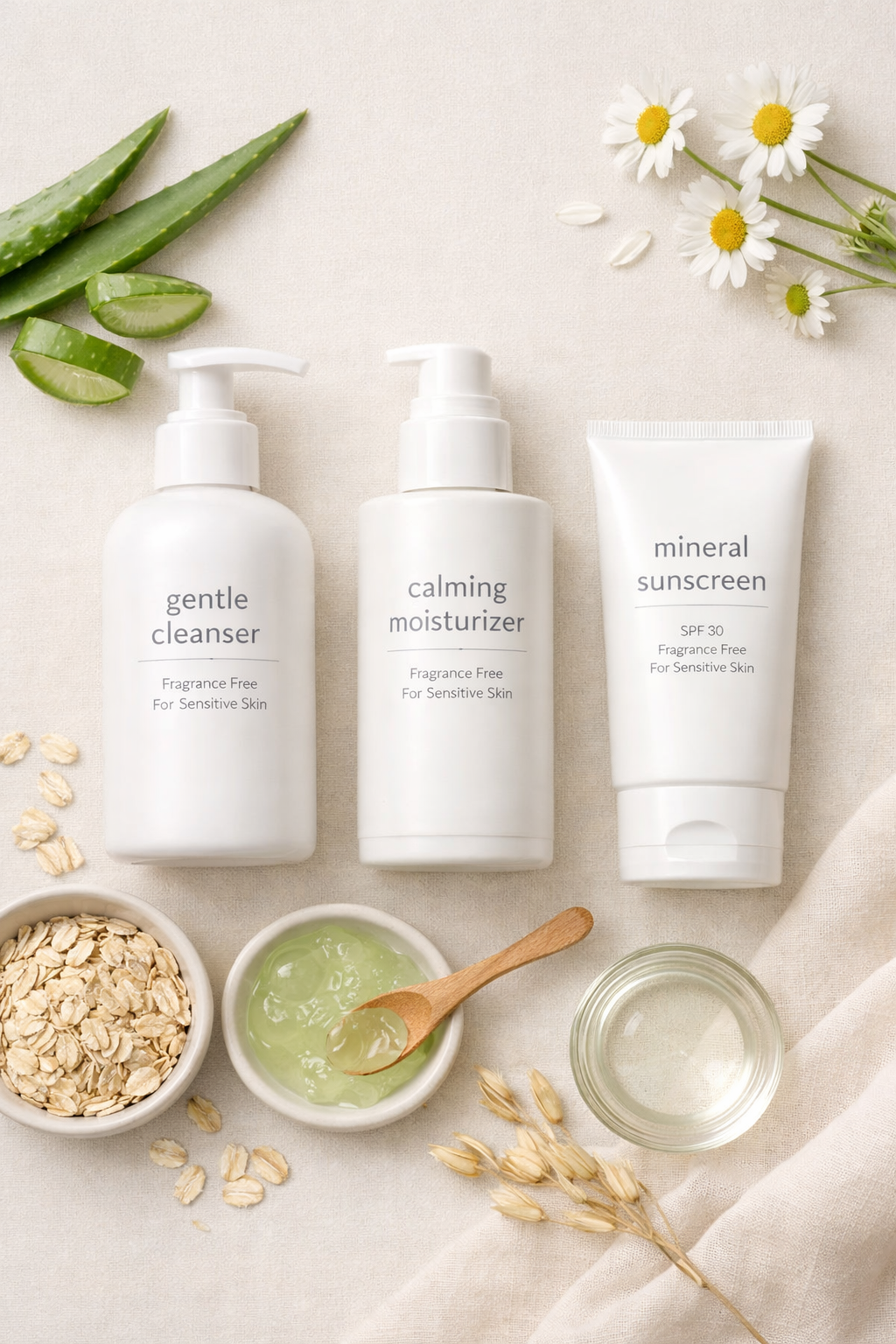
Skin Care for Sensitive Skin: What to Use and What to Avoid
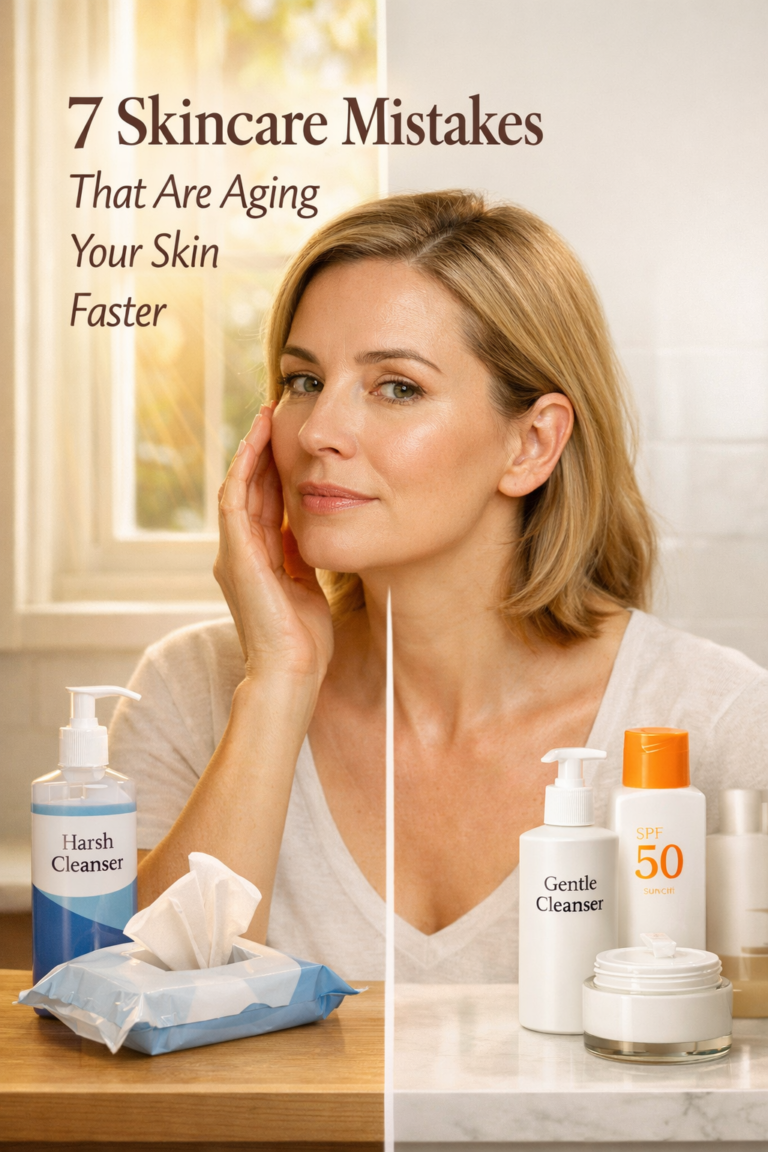
Sensitive skin requires extra care and the right daily routine to stay healthy and balanced. At GlowFit, we focus on simple habits that support skin health without irritation. In this article, you’ll discover skin care for sensitive skin, including what to use, what to avoid, and practical tips that fit into a healthy lifestyl
Table of Contents
Understanding Skin Care for Sensitive Skin
What Is Sensitive Skin?
Sensitive skin is skin that reacts more easily than normal skin. People who need skin care for sensitive skin often experience discomfort after using products that others tolerate just fine.
Common Signs of Sensitive Skin
- Redness after cleansing
- Burning or stinging sensations
- Dry, flaky patches
- Tight skin after washing
These symptoms signal a weakened skin barrier, which is why proper skin care for sensitive skin is essential.
Sensitive Skin vs. Allergic Skin
Sensitive skin reacts quickly but temporarily. Allergic skin involves immune reactions that last longer. While they are different, both require gentle skin care strategies.
Why Skin Care for Sensitive Skin Requires a Gentle Approach
A Compromised Skin Barrier
Your skin barrier acts like a shield. When damaged, irritants penetrate easily, making skin care for sensitive skin more challenging.
Environmental Stressors
Sun exposure, pollution, wind, and cold weather all increase sensitivity, especially without proper skincare protection.
Harsh Skincare Products
Strong acids, fragrances, and alcohol-based products are common triggers that worsen sensitive skin.
Core Principles of Skin Care for Sensitive Skin
Keep Your Routine Simple
When it comes to skin care for sensitive skin, less truly is more. Fewer products reduce the risk of irritation.
Gentle Products Only
Avoid anything that tingles, burns, or promises instant results. Sensitive skin responds best to slow, steady care.
Consistency Over Experimentation
Constantly switching products can disrupt the skin barrier and worsen sensitivity.
Best Ingredients to Use in Skin Care for Sensitive Skin
Soothing Ingredients for Sensitive Skin
Aloe Vera
A staple in skin care for sensitive skin, aloe vera calms inflammation and hydrates gently.
Centella Asiatica
This ingredient helps repair the skin barrier and reduce redness.
Barrier-Repair Ingredients
Ceramides
Ceramides are essential for restoring and protecting sensitive skin.
Niacinamide (Low Strength)
At low concentrations, niacinamide strengthens the barrier and reduces irritation.
Hydrating Ingredients
Glycerin
A gentle humectant that attracts moisture without irritation.
Hyaluronic Acid
Hydrates deeply, making it ideal for sensitive skin care routines.
Ingredients to Avoid in Skin Care for Sensitive Skin
Fragrance and Essential Oils
Even natural fragrances can irritate sensitive skin.
Harsh Exfoliants
Strong AHAs, BHAs, and physical scrubs damage the skin barrier.
Alcohol-Based Products
Drying alcohol strips moisture and increases irritation.
Sulfates
Sulfates can leave sensitive skin feeling tight and inflamed.
Best Skincare Products for Sensitive Skin
Cleansers for Sensitive Skin
- Cream or gel-based
- pH-balanced
- Fragrance-free
Moisturizers for Sensitive Skin
Choose moisturizers with ceramides, glycerin, and minimal ingredients.
Sunscreen for Sensitive Skin
Mineral sunscreens with zinc oxide or titanium dioxide are best.
Serums and Treatments
Stick to calming, hydrating serums designed for sensitive skin care.
How to Build a Skin Care Routine for Sensitive Skin
Morning Routine
- Gentle cleanser
- Lightweight moisturizer
- Mineral sunscreen
Night Routine
- Gentle cleanser
- Barrier-repair moisturizer
This minimalist routine supports long-term skin health.
Common Mistakes in Skin Care for Sensitive Skin
Over-Exfoliating
Sensitive skin rarely needs exfoliation more than once a week.
Using Too Many Products
Layering products increases irritation risk.
Skipping Patch Tests
Always patch-test new skincare products before full use.
Lifestyle Tips to Support Skin Care for Sensitive Skin
Hydration and Nutrition
Omega-3 fatty acids and antioxidants support skin barrier health.
Stress Management
Stress increases inflammation and worsens skin sensitivity.
Environmental Protection
Protect skin from extreme temperatures and pollution.
When to See a Dermatologist
If reactions persist despite proper skin care for sensitive skin, professional evaluation is essential.
Conclusion
Skin care for sensitive skin isn’t about fixing your skin—it’s about respecting it. By choosing gentle ingredients, avoiding common irritants, and sticking to a simple routine, sensitive skin can become calm, balanced, and resilient over time.
FAQs
1. Is skin care for sensitive skin suitable for all skin types?
Yes. Sensitive skin can be oily, dry, or combination.
2. Can sensitive skin use active ingredients?
Yes, but only at low concentrations and with caution.
3. Are natural products better for sensitive skin?
Not always. Some natural ingredients can still irritate.
4. How long does it take to heal sensitive skin?
With proper skin care, improvement often appears within 2–6 weeks.
5. Should people with sensitive skin avoid exfoliation completely?
No, but exfoliation should be minimal and gentle.



Way cool! Some extremely valid points! I appreciate you penning this post and the rest of the site is
extremely good.
Great site you have here but I was curious if you knew of any message boards that cover the same topics
discussed here? I’d really like to be a part of community where I
can get comments from other knowledgeable people that
share the same interest. If you have any suggestions, please let me know.
Thanks a lot!
I tried to order from a sketchy website once and got spam calls for weeks.
I was terrified to try again until a support group moderator recommended Medistorehub as a verified .com pharmacy.
I finally built up the courage to purchase my Coumadin supply from them, and it was a totally clean experience.
No spam, no weird charges, just my meds. It’s the only site I trust with my personal data now.
Have you ever thought about writing an ebook or guest authoring on other blogs?
I have a blog based on the same ideas you discuss and would love to have
you share some stories/information. I know my subscribers would appreciate your work.
If you are even remotely interested, feel free to send me an e mail.
I need to cover a medical co-pay for an ongoing treatment.
I’ve been waiting for an installment loan with no prepayment penalty.
I’m looking at Piggy Advance for the best options.
Tremendous issues here. I am very satisfied to peer your article.
Thank you so much and I’m taking a look forward to touch you.
Will you kindly drop me a e-mail?
Thank you so much for your kind words! I’m really glad you enjoyed the article and found it helpful.
I appreciate your interest in getting in touch. For privacy and security reasons, I don’t usually share my email publicly, but you can reach out through the contact form on the blog, and I’ll be happy to respond.
Looking forward to hearing from you!
cvs pharmacy near me walgreens near me
canadian pharmacies shipping to usa
anti virus software antivirus for pc antivirus software
edge adblocker ad blocker for microsoft edge best
ad blocker for edge
vpn best best vpn services best vpns
guaranteed loans online instant approval find personal loans best cash advance apps
play online casino has a new home: Magnet Gambling Website