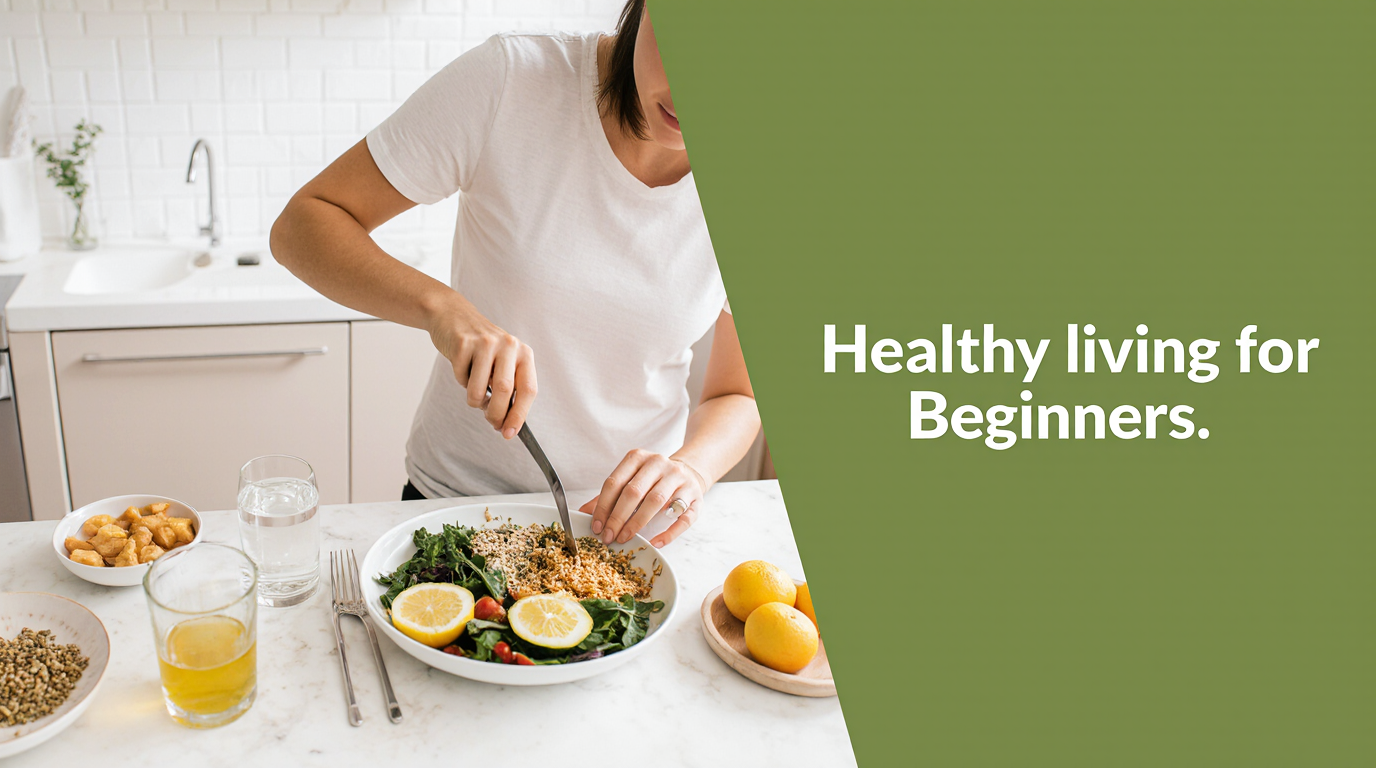
Healthy Living for Beginners: Easy Habits for a Healthier Life
Starting a healthier lifestyle can feel overwhelming, but small, consistent changes make all the difference. At GlowFit, we focus on simple habits that anyone can follow. In this guide, you’ll learn how to embrace healthy living for beginners with practical tips that stick and improve your wellness step by step.
What Healthy Living Really Means
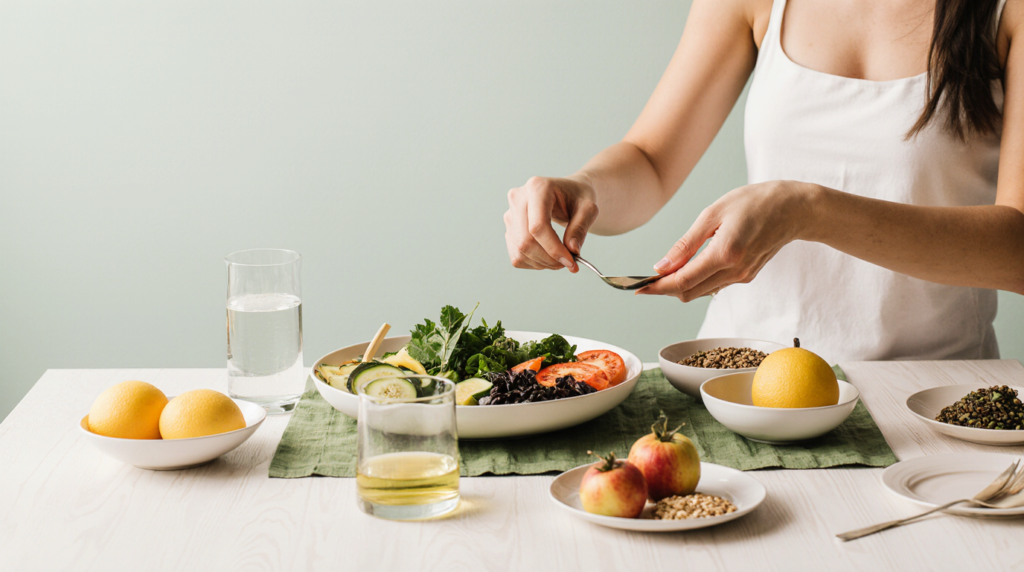
Healthy living isn’t just about food or exercise. It’s a balanced lifestyle that supports your physical health, mental well-being, and daily energy. Think of it like building a house: nutrition, movement, sleep, and mindset are the foundation. Ignore one, and everything feels shaky.
Why Beginners Should Start Small
Big changes sound exciting, but small habits win the race. Research shows that gradual lifestyle changes are far more sustainable than drastic ones. Starting small reduces burnout and builds confidence—two essentials for healthy living beginners.
The Foundations of Healthy Living
Building a Healthy Mindset
Before changing what you eat or how you move, change how you think. Healthy living is not punishment; it’s self-respect. Instead of asking, “How fast can I change?” ask, “What can I do consistently?”
Consistency Over Perfection
Missed a workout? Ate something unplanned? No problem. Consistency means showing up again, not being flawless. Healthy living for beginners works best when progress matters more than perfection.
Nutrition Basics for Beginners
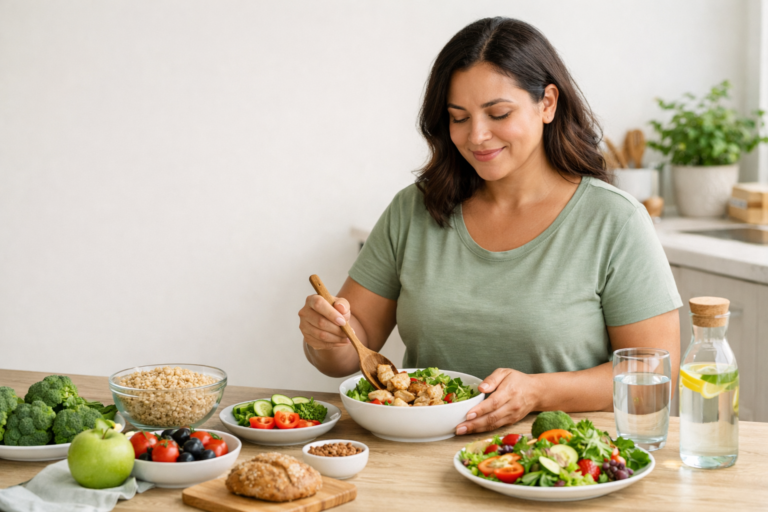
Understanding Balanced Meals
A balanced meal includes:
- A source of protein
- Whole carbohydrates
- Healthy fats
- Vegetables or fruit
This combination keeps energy stable and prevents cravings.
Macronutrients Explained Simply
- Protein: Builds and repairs muscles (eggs, chicken, lentils)
- Carbohydrates: Main energy source (rice, oats, fruit)
- Fats: Support hormones and brain health (olive oil, nuts)
You don’t need to count grams. Just aim for balance.
Portion Control Without Stress
Use your hand as a guide:
- Palm = protein
- Fist = vegetables
- Cupped hand = carbs
- Thumb = fats
Simple, visual, and beginner-friendly.
Simple Daily Habits That Improve Health
Drinking Enough Water
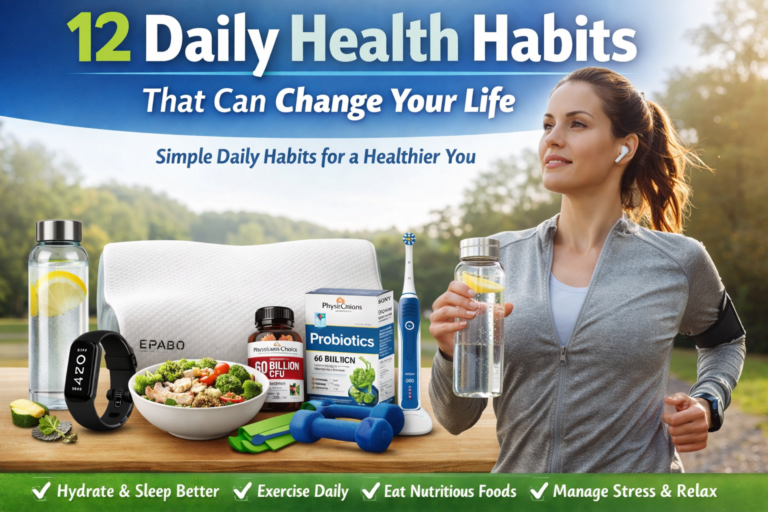
Hydration supports digestion, energy, and focus. A reusable water bottle makes healthy living easier. Aim to sip water throughout the day instead of forcing large amounts at once.
Eating More Whole Foods
Whole foods are foods that look close to how they grow: fruits, vegetables, eggs, fish, grains. You don’t need to eliminate packaged foods—just add more whole ones.
Reducing Added Sugar Gradually
Instead of cutting sugar completely, reduce it step by step. Swap sugary drinks for water, or desserts for fruit a few times a week.
Physical Activity for a Healthy Lifestyle
Why Movement Matters
Movement improves heart health, mood, sleep, and confidence. For healthy living beginners, exercise should energize—not exhaust—you.
Beginner-Friendly Exercise Options
- Walking
- Home workouts
- Light strength training
- Stretching or mobility routines
Creating a Sustainable Routine
Start with 15–20 minutes, 3 times per week. It’s better to move a little often than a lot once.
Sleep and Recovery
How Sleep Impacts Healthy Living
Sleep affects hormones, appetite, and motivation. Poor sleep can undo even the best nutrition plan.
Easy Tips for Better Sleep
- Go to bed at the same time
- Avoid screens before sleep
- Keep your room dark and cool
Healthy living starts the night before.
Mental Wellness for Beginners
Managing Stress Naturally
Chronic stress affects the body like poor nutrition. Simple habits like deep breathing, short walks, or journaling can make a big difference.
The Role of Mindfulness
Mindfulness means paying attention without judgment. Even one mindful meal per day can improve digestion and satisfaction.
Healthy Living at Home
Creating a Supportive Environment
Your environment shapes your habits. Keep healthy snacks visible. Store less healthy options out of sight. Small changes reduce decision fatigue.
Small Changes With Big Impact
- Prep vegetables once a week
- Keep workout clothes ready
- Use reminders for water breaks
Healthy Living on a Budget
Affordable Healthy Food Choices
- Eggs
- Frozen vegetables
- Rice and beans
- Seasonal fruit
Healthy living for beginners does not require expensive products.
Smart Shopping Tips
Buy store brands, shop with a list, and avoid grocery shopping when hungry.
Beginner Mistakes to Avoid
Doing Too Much Too Fast
Extreme diets and intense workouts often lead to quitting. Slow progress is still progress.
Comparing Yourself to Others
Your journey is unique. Focus on how you feel, not how others look.
How Long Does It Take to Build Healthy Habits?
The Science of Habit Formation
Studies suggest habits take anywhere from 18 to 66 days to form, depending on complexity. Repetition matters more than motivation.
Staying Motivated Long-Term
Tracking Progress Without Obsession
Track habits, energy levels, or mood—not just weight. Non-scale victories matter.
Celebrating Small Wins
Drank more water today? Walked 10 minutes? Celebrate it. Momentum builds motivation.
Amazon Recommendations for Healthy Living Beginners
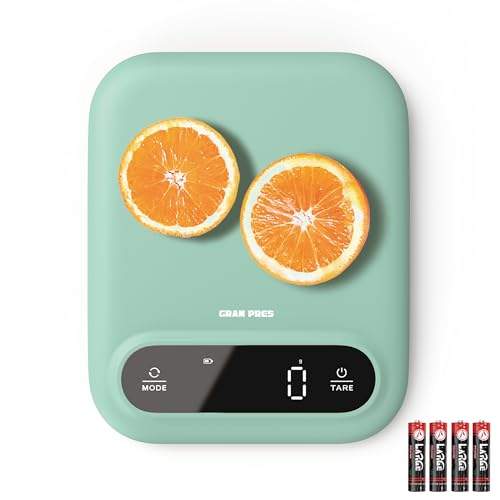
Kitchen Essentials



Fitness and Wellness Tools



These tools support healthy living habits without overwhelming beginners.
Healthy Living for Beginners – A Realistic Approach
Making It Fit Your Lifestyle
Healthy living should adapt to your life, not the other way around. Choose habits you enjoy, repeat them often, and adjust as needed.
Conclusion
Healthy living for beginners doesn’t require drastic changes or perfection. It’s about simple habits—drinking water, moving your body, eating balanced meals, sleeping well, and caring for your mental health. Start small, stay consistent, and trust the process. Real change happens one habit at a time.
FAQs
Is healthy living expensive for beginners?
No. Many healthy foods and habits are affordable and accessible.
How often should beginners exercise?
Start with 2–3 times per week and increase gradually.
Do I need to follow a strict diet?
No. Balanced eating works better than restrictive diets.
What is the easiest habit to start with?
Drinking more water is one of the simplest and most effective habits.
Can healthy living improve mental health?
Yes. Regular movement, good sleep, and balanced nutrition support mental well-being.
Sources (reputable & evidence-based):
- World Health Organization (WHO) – Healthy Diet & Physical Activity Guidelines
- Harvard T.H. Chan School of Public Health – Nutrition and Lifestyle Research
- Centers for Disease Control and Prevention (CDC) – Healthy Living Basics
- National Institutes of Health (NIH) – Habit Formation & Wellness
- NHS (UK) – Live Well Program
You may also enjoy our guide on Wellness Tips for Women.
Read more about How to Stay Consistent With Workouts.



5 Comments