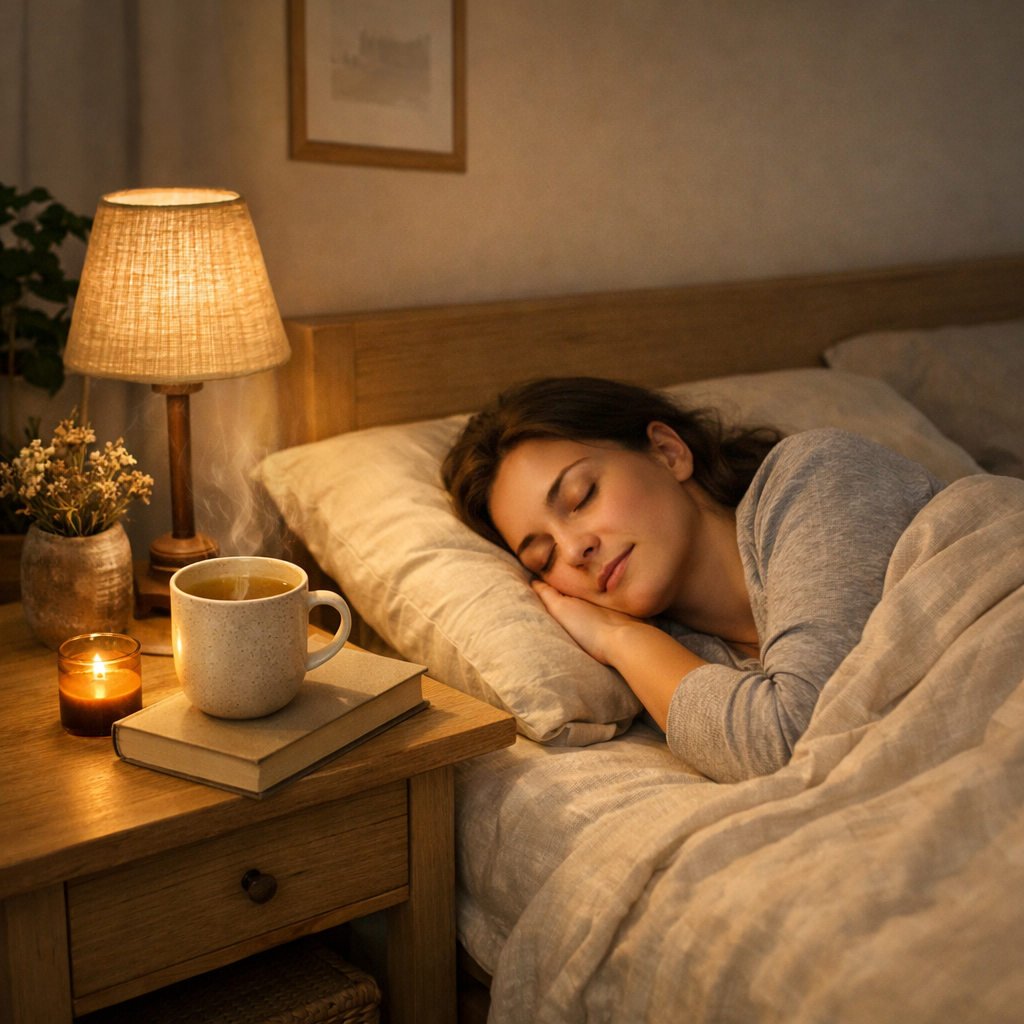
Sleep Health Tips for Better Sleep Naturally Every Night
Getting quality sleep is essential for energy, focus, and overall health. At GlowFit, we focus on simple habits that support natural sleep and wellness. In this article, you’ll learn effective sleep health tips to fall asleep faster, sleep deeper, and wake up refreshed every day.
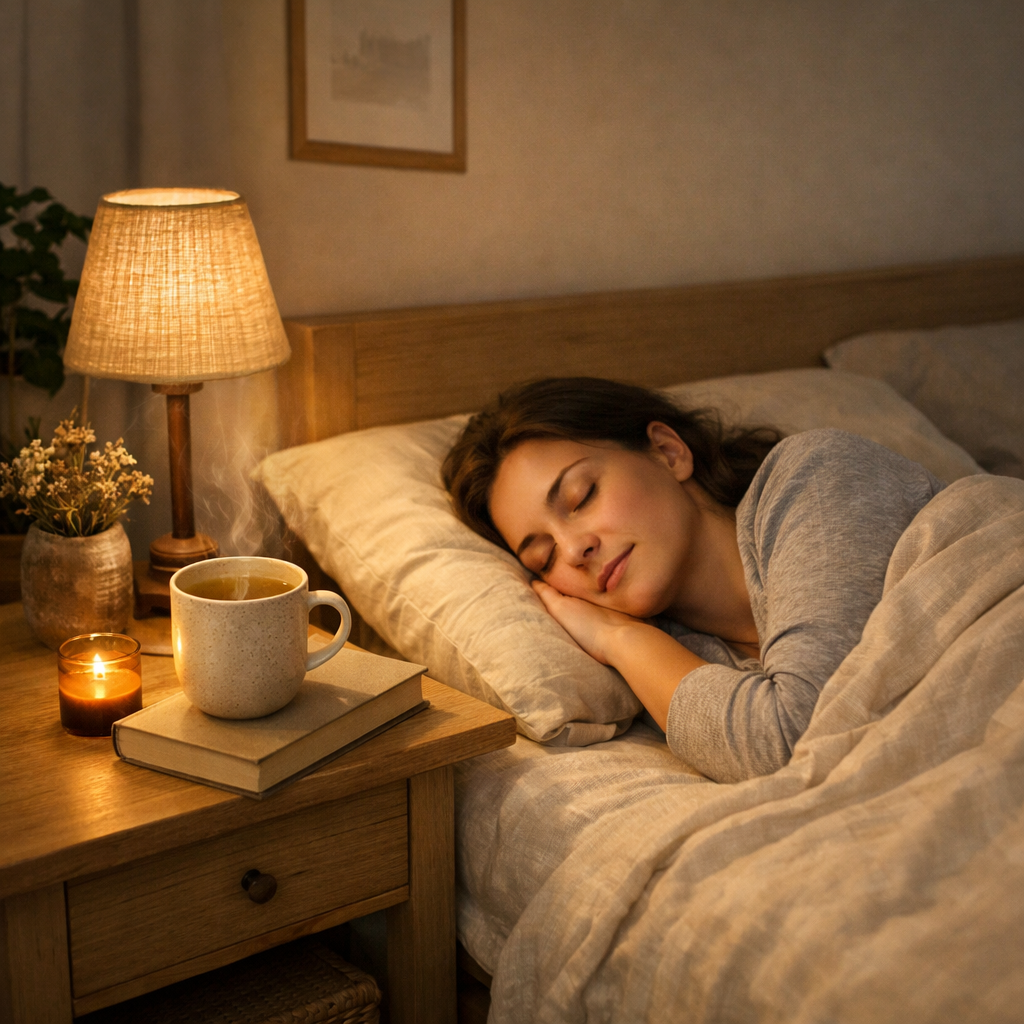
Understanding Sleep Health and Why It Matters
What Is Sleep Health?
Sleep health goes beyond simply clocking eight hours in bed. It includes how quickly you fall asleep, how often you wake up during the night, and how rested you feel in the morning. Healthy sleep supports your immune system, brain function, emotional balance, and even weight management.
According to the Centers for Disease Control and Prevention (CDC), consistent, quality sleep is essential for overall health and disease prevention.
Why Quality Sleep Is More Important Than Quantity
You can spend nine hours in bed and still wake up exhausted. Why? Because fragmented or shallow sleep doesn’t allow your body to fully recover. Deep, uninterrupted sleep is where the real magic happens—muscle repair, memory consolidation, and hormone regulation all occur during this time.
The Science Behind Natural Sleep
Sleep Cycles Explained
Your body moves through several sleep cycles each night, lasting about 90 minutes each. These cycles repeat multiple times and are essential for feeling restored.
REM vs Non-REM Sleep
- Non-REM sleep helps your body physically recover
- REM sleep supports learning, creativity, and emotional health
Disrupting these cycles—by stress, light, or late-night habits—can leave you feeling drained even after a full night in bed.
Source: National Sleep Foundation
Common Causes of Poor Sleep
Stress and Anxiety
An overactive mind is one of the biggest sleep killers. When stress hormones stay high, your body remains in “alert mode,” making it difficult to relax.
Screen Time and Blue Light
Phones, tablets, and TVs emit blue light that interferes with melatonin production, the hormone responsible for sleepiness.
Source: Harvard Medical School – Division of Sleep Medicine
Poor Sleep Environment
Noise, clutter, uncomfortable bedding, and room temperature all play a role in how well you sleep.
Sleep Health Tips You Can Start Tonight
Create a Consistent Sleep Schedule
Going to bed and waking up at the same time every day—even on weekends—trains your internal clock. Consistency is one of the most effective natural sleep health tips.
Optimize Your Bedroom for Sleep
Light, Temperature, and Noise Control
- Keep the room dark with blackout curtains
- Maintain a cool temperature (around 18–20°C / 65–68°F)
- Reduce noise or use white noise if needed
The Sleep Foundation confirms that a cool, dark, and quiet environment promotes deeper sleep.
Natural Evening Routines That Improve Sleep
The Power of a Wind-Down Routine
Think of your evening routine as a landing strip for your brain. Gentle, repetitive activities signal that it’s time to slow down.
Examples include:
- Reading
- Stretching
- Taking a warm shower
Relaxation Techniques That Work
Progressive muscle relaxation, deep breathing, and guided imagery can significantly reduce sleep latency.
Source: American Academy of Sleep Medicine
Nutrition and Sleep: What to Eat and Avoid
Best Foods for Better Sleep
Certain foods naturally support sleep by boosting serotonin and melatonin:
- Bananas
- Oats
- Almonds
- Kiwi
Foods and Drinks That Disrupt Sleep
Avoid close to bedtime:
- Caffeine
- Alcohol
- Heavy, spicy meals
Research published in the Journal of Clinical Sleep Medicine links late caffeine intake with reduced sleep quality.
The Role of Physical Activity in Sleep Quality
Best Time to Exercise for Better Sleep
Regular daytime exercise improves sleep depth and duration. Morning or early afternoon workouts are ideal.
Gentle Evening Movement
Yoga, stretching, or a short walk can relax the nervous system without overstimulation.
Source: Johns Hopkins Medicine
Managing Stress for Deeper Sleep
Breathing Techniques
Slow breathing methods like the 4-7-8 technique activate the parasympathetic nervous system, helping your body relax.
Mindfulness and Journaling
Writing down worries before bed clears mental clutter and reduces nighttime anxiety.
Source: National Institutes of Health (NIH)
Natural Remedies and Habits That Support Sleep
Herbal Teas and Supplements
Chamomile, valerian root, and magnesium are commonly used natural sleep aids. Always consult a healthcare professional before supplementation.
Aromatherapy and Essential Oils
Lavender essential oil has been shown to improve sleep quality and relaxation.
Source: Sleep Medicine Reviews Journal
Technology and Sleep: Finding Balance
Reducing Screen Exposure
Aim to turn off screens at least one hour before bed. If unavoidable, use blue light filters.
Helpful Sleep Tech (When Used Wisely)
Sleep trackers and white noise apps can help—but avoid obsessing over sleep data.
How Long It Takes to Fix Your Sleep Naturally
Setting Realistic Expectations
Natural sleep improvements usually take 2–4 weeks of consistent habits. Think of it as training, not a quick fix.
Source: Sleep Foundation
Sleep Health Tips for Different Lifestyles
Busy Professionals
Short wind-down routines, meal timing, and caffeine management can make a big difference.
Parents and Caregivers
Flexible routines and naps when possible help compensate for nighttime disruptions.
Signs You’re Finally Sleeping Better
Physical and Mental Indicators
- Waking up without an alarm
- Improved mood and focus
- Stable energy throughout the day
These are clear signs your sleep health is improving.
When to Seek Professional Help
Red Flags You Shouldn’t Ignore
If you experience chronic insomnia, loud snoring, or daytime sleepiness despite good habits, consult a sleep specialist.
Source: American Academy of Sleep Medicine
Long-Term Habits for Lifelong Sleep Health
Building a Sleep-Friendly Lifestyle
Good sleep is a lifestyle, not a one-time fix. Consistency, self-awareness, and patience are your strongest tools.
Conclusion
Learning how to sleep better naturally every night doesn’t require drastic changes. Small, intentional habits—done consistently—can completely transform your sleep and overall health. By applying these proven sleep health tips, you give your body what it needs to rest, recover, and thrive. Better sleep isn’t just possible—it’s achievable, starting tonight.
FAQs
1. How many hours of sleep do I really need?
Most adults need 7–9 hours of quality sleep per night, according to the CDC.
2. Can naps ruin nighttime sleep?
Long or late naps can interfere with sleep, but short early-afternoon naps are usually fine.
3. Is melatonin safe for natural sleep?
Melatonin can help short-term but should not replace healthy sleep habits.
4. Does reading before bed help sleep?
Yes, especially if it’s a physical book and not a screen.
5. Can poor sleep affect weight and metabolism?
Absolutely. Poor sleep is linked to hormonal imbalances that affect appetite and weight regulation.
You may also enjoy our guide on How to Reduce Stress Naturally.
Read more about Wellness Tips for Women.






3 Comments