
7 Healthy Eating Habits That Actually Work for a Healthier Life
Healthy eating is about more than just following strict diets—it’s about creating sustainable habits that improve your overall well-being. At GlowFit, we focus on simple, effective strategies anyone can follow. In this article, you’ll learn 7 healthy eating habits that actually work and help you live a healthier life every day.
What Are Healthy Eating Habits?
Healthy eating habits are repeatable behaviors that support physical and mental well-being. They aren’t about cutting entire food groups or following strict rules. Instead, they focus on consistency, balance, and nourishment.
Think of habits like bricks. One brick doesn’t build a house—but place them consistently, and you create something strong and lasting.
Why Healthy Eating Habits Matter More Than Diets
Diets are temporary. Habits are permanent.
Research consistently shows that long-term health outcomes improve when people focus on behavioral changes, not short-term calorie restriction. Healthy eating habits help regulate blood sugar, support gut health, improve heart health, and reduce the risk of chronic disease.
Habit #1: Eat Whole, Minimally Processed Foods
What Counts as Whole Foods
Whole foods include fruits, vegetables, whole grains, legumes, nuts, seeds, eggs, fish, and lean meats—foods close to their natural state.
Why Processing Matters
Highly processed foods are often high in added sugars, refined oils, and sodium, which are linked to obesity and metabolic disorders.
Tip: Shop the outer aisles of the grocery store—this is where whole foods usually live.
Habit #2: Build Balanced Meals Every Day
The Plate Method Explained
A balanced plate helps you naturally manage calories and nutrients without tracking.
Protein, Carbs, Fats, and Fiber
- ½ plate: vegetables or fruit
- ¼ plate: lean protein
- ¼ plate: whole grains or starchy carbs
- Add: healthy fats (olive oil, avocado)
This approach stabilizes energy and reduces cravings.
Habit #3: Practice Mindful Eating
Slow Down and Listen to Hunger Cues
Eating while distracted leads to overeating. Mindful eating means paying attention to taste, texture, and fullness.
Ask yourself:
- Am I hungry or just bored?
- Am I eating fast or enjoying my food?
Mindful eating improves digestion and satisfaction.
Habit #4: Control Portions Without Obsession
Visual Portion Guides
You don’t need a scale. Use your hand:
- Palm = protein
- Fist = vegetables
- Cupped hand = carbs
- Thumb = fats
Simple, effective, and stress-free.
Habit #5: Stay Properly Hydrated
How Water Supports Metabolism
Dehydration often masquerades as hunger. Drinking enough water supports digestion, nutrient transport, and energy levels.
Aim for water consistently throughout the day, not all at once.
Habit #6: Plan Meals Ahead of Time
Simple Weekly Planning Tips
Meal planning reduces impulsive eating and reliance on ultra-processed foods.
Start small:
- Plan 3–4 meals per week
- Prep ingredients, not full meals
- Keep healthy snacks available
Habit #7: Eat Consistently, Not Perfectly
Progress Over Perfection
Healthy eating habits allow flexibility. One indulgent meal doesn’t ruin progress—quitting does.
Consistency beats intensity every time.
Common Healthy Eating Mistakes to Avoid
- Skipping meals
- Demonizing carbs or fats
- Relying on supplements instead of food
- Following trends instead of evidence
How Long It Takes to Build Healthy Eating Habits
Research suggests habit formation takes weeks to months, depending on complexity. Focus on one habit at a time to avoid overwhelm.
Healthy Eating Habits for Busy People
- Keep meals simple
- Use frozen vegetables
- Batch cook proteins
- Choose convenience wisely
Healthy Eating Habits and Weight Management
Healthy eating habits naturally support weight regulation by improving satiety, blood sugar balance, and metabolic health—without extreme restriction.
Healthy Eating Habits for Long-Term Health
These habits reduce the risk of heart disease, type 2 diabetes, and digestive issues while supporting mental clarity and longevity.
Conclusion
Healthy eating habits are not about perfection—they’re about building a lifestyle you can sustain. By focusing on whole foods, balance, mindfulness, and consistency, you create a foundation for lifelong health.
Start with one habit today. Your future self will thank you.
FAQs
1. Are healthy eating habits better than dieting?
Yes. Habits support long-term health, while diets are usually short-term.
2. Can healthy eating habits help with weight loss?
Absolutely. They promote natural calorie balance and metabolic health.
3. Do I need to give up my favorite foods?
No. Balance and moderation are key.
4. How many meals should I eat per day?
There’s no single rule—consistency matters more than frequency.
5. Are supplements necessary?
Whole foods should always come first unless advised by a professional.
Reputable Sources
- World Health Organization (WHO) – Healthy Diet
https://www.who.int/news-room/fact-sheets/detail/healthy-diet - Harvard T.H. Chan School of Public Health – Healthy Eating Plate
https://www.hsph.harvard.edu/nutritionsource/healthy-eating-plate/ - Centers for Disease Control and Prevention (CDC) – Nutrition Basics
https://www.cdc.gov/nutrition/index.html - National Institutes of Health (NIH) – Dietary Guidelines
https://www.nhlbi.nih.gov/health/educational/lose_wt/eat/index.htm
You may also enjoy our guide on Wellness Tips for Women.
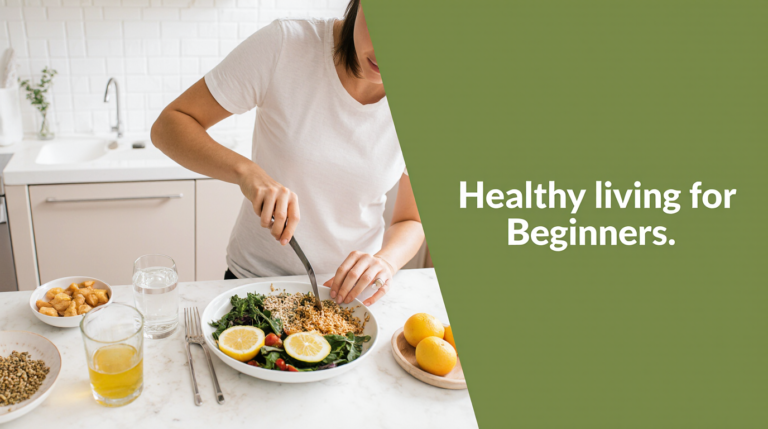
Read more about Healthy Living for Beginners.



4 Comments